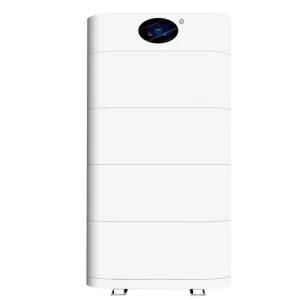
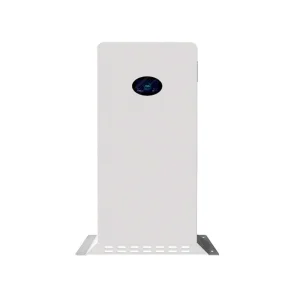
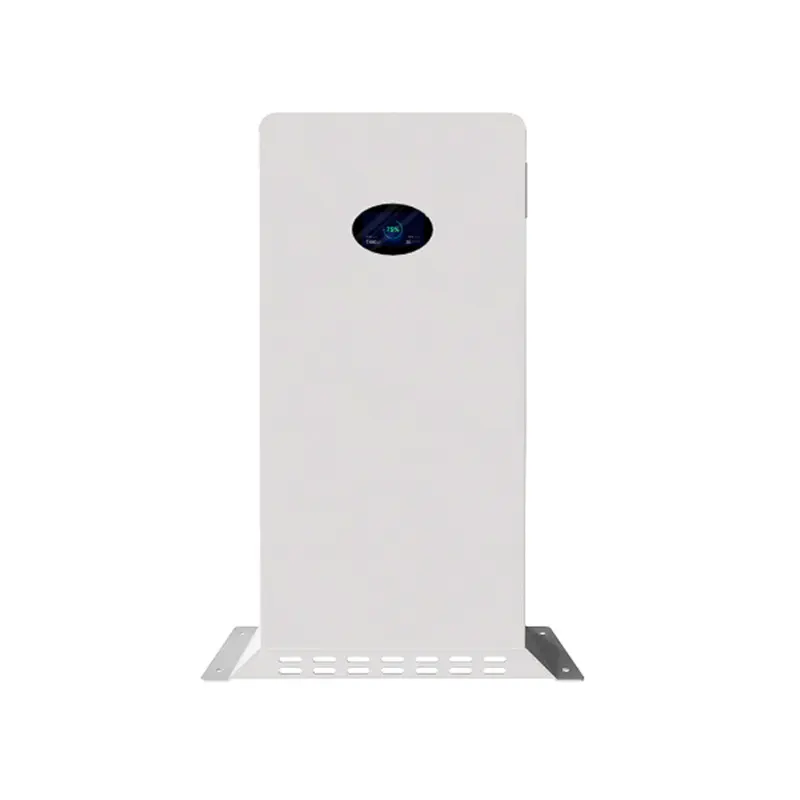
Explore our industrial-grade, certified energy storage systems designed for peak efficiency and exceptional life cycles.
As carbon neutrality transitions from a policy target to an industrial standard, Battery Energy Storage Systems (BESS) represent the foundation of modern grid resilience. We integrate advanced R&D with strict manufacturing protocols to supply safe, efficient, and scalable energy storage configurations.
Whether implementing peak-shaving for manufacturing complexes, mitigating grid instability for remote operations, or providing residential backup power, our design methodologies focus on thermal safety, optimal depth of discharge, and longevity.
We build our modules exclusively with Grade-A LiFePO4 cells to ensure maximum efficiency, safety, and a lifespan exceeding 6,000 charge cycles.
Features real-time active balance control, continuous cell status monitoring, and safety shut-off protocols to prevent thermal runaway.
ELEMRO Energy has optimized new energy storage and electrical system designs to meet diverse deployment needs. Operating from our central headquarters in Xiamen, China, we support projects in Europe, Southeast Asia, Africa, the Middle East, and the Americas.
Analyzing key factors driving the transition to advanced battery storage systems.
Global grids require localized storage to buffer intermittent renewable generation. Modern utility installations leverage liquid-cooled container systems to optimize dispatchable capacity during peak-demand periods.
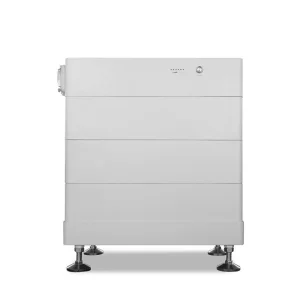
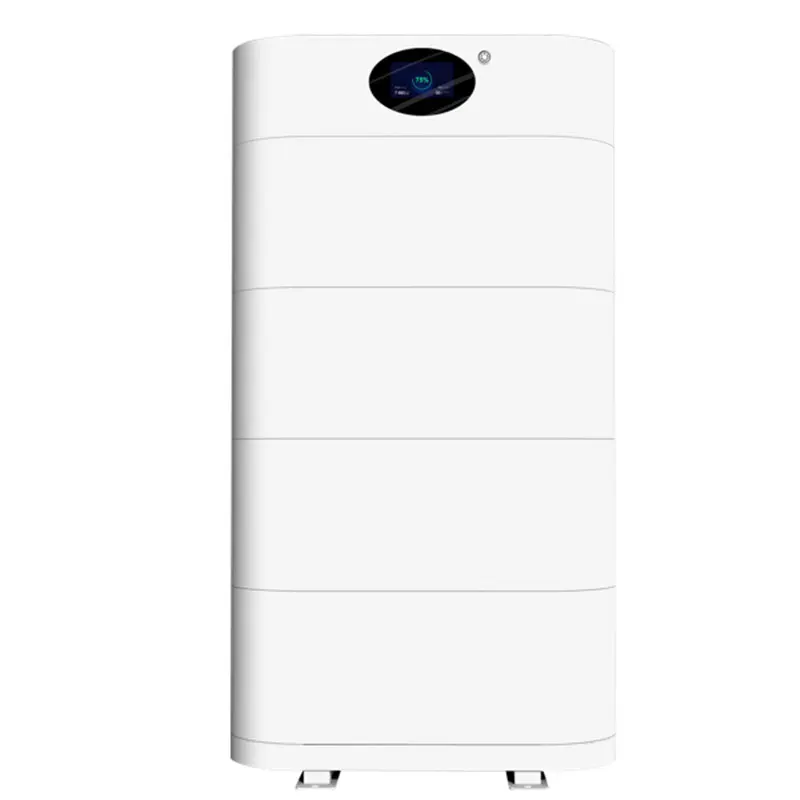
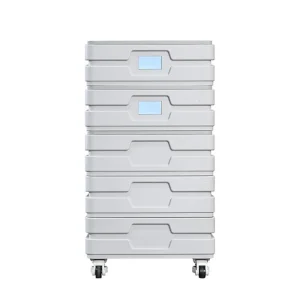
Commercial and industrial facilities deploy high-voltage stacked systems to minimize peak demand charges and leverage Time-of-Use (ToU) electricity tariffs to reduce operating costs.
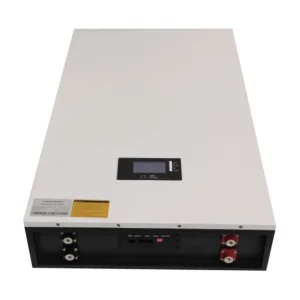
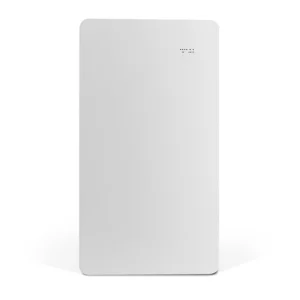
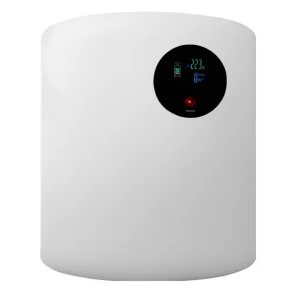
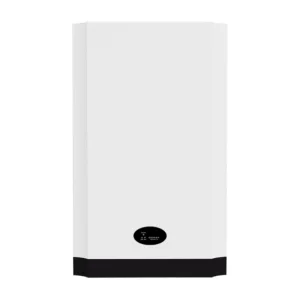
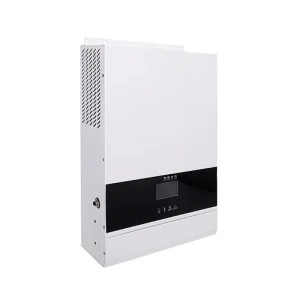
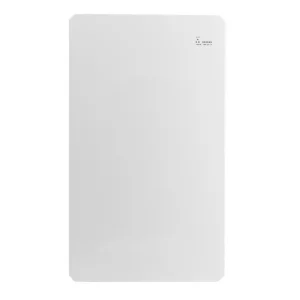
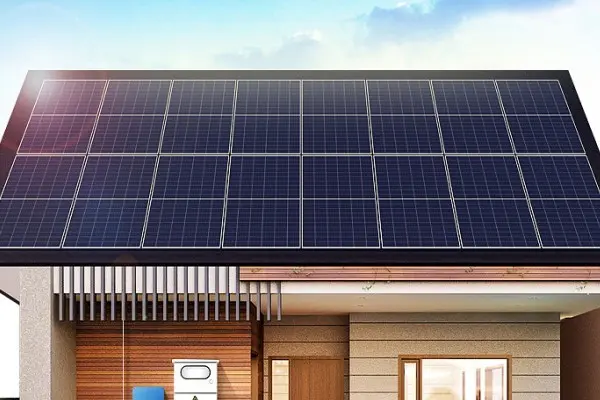
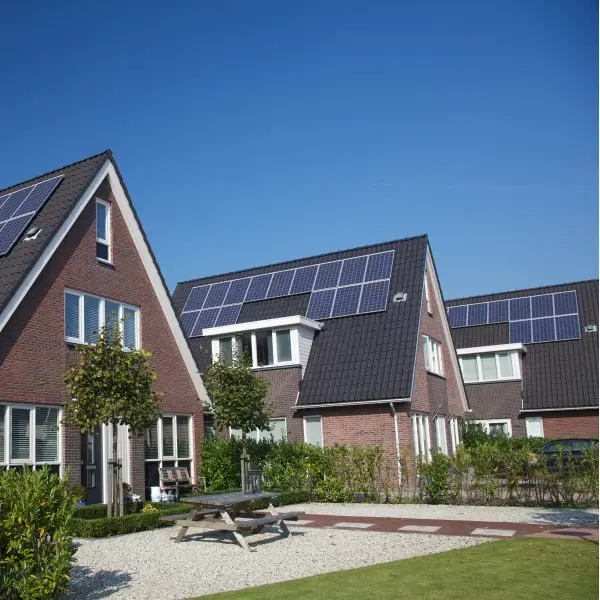
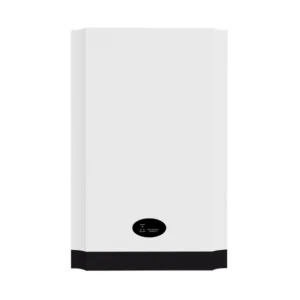
Homeowners are adopting wall-mounted, high-density storage solutions to maximize self-consumption of rooftop PV energy, providing critical backup during grid outages.
Procurement requirements have shifted focus from simple capacity metrics to comprehensive reliability criteria. High energy density, verified safety profiles, long-term cycle performance, and reliable localization support now represent the key benchmarks for project developers.
Integrating clean energy generation with high-performance storage architectures.

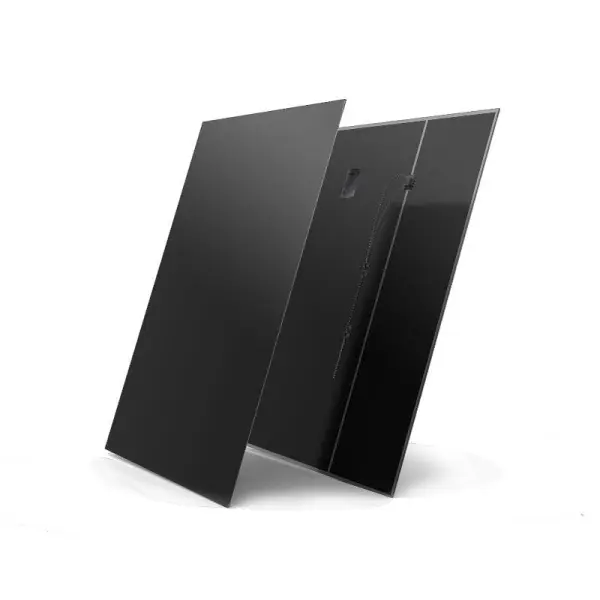
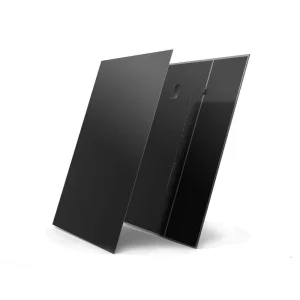
High-transmittance, tempered photovoltaic glass engineered for structural building integration (BIPV). Optimizes solar energy generation while ensuring weather protection and thermal efficiency.
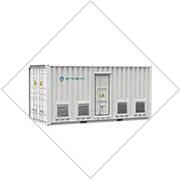
Turnkey, megawatt-scale battery containers equipped with integrated thermal management, active aerosol fire suppression systems, and centralized BMS for utility-scale energy storage installations.
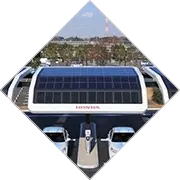
Structural solar carports designed to generate renewable power directly above parking lots, integrating commercial EV charging hubs with localized battery buffer storage.
Established in 2019, and headquartered in the tech-innovation hub of Xiamen, China, ELEMRO Energy specializes in utility, commercial, and residential energy storage systems. We function as an integrated manufacturer combining research & development, manufacturing, and international sales.
Our distribution network spans over 250 global customers across Europe, Southeast Asia, Africa, the Middle East, and the Americas. By optimizing our supply chain and manufacturing processes, ELEMRO has achieved steady year-on-year revenue growth, with annual turnover exceeding $50 million USD in 2023.
Our manufacturing facilities utilize automated production assembly lines to ensure uniform cell capacity sorting and high structural integrity. Every battery module and storage rack undergoes strict performance and safety validation before dispatch.
Developing next-generation energy storage solutions to support changing grid dynamics.
Maximizing energy density in stackable residential modules and high-voltage commercial storage shelves. Enhancing cell-level thermal sensors for high-speed local data acquisition.
Deploying smart Energy Management Systems (EMS) featuring predictive battery health models and dynamic load scheduling. Integrates with solar forecasting to optimize charging and discharging cycles.
Evaluating sodium-ion (Na-Ion) structures for applications in low-temperature conditions and stationary grids where cost-efficiency is the primary focus.
Modern containerized systems rely on active cooling configurations to prevent thermal runaway. ELEMRO's modular energy storage lines utilize structured liquid-cooling loops that maintain temperature variance across cells below ±2°C, significantly extending operating life and improving overall efficiency.
Additionally, our active balancing battery management systems (BMS) dynamically redistribute charge between cells, minimizing overall degradation and ensuring the rack can utilize its full capacity.
Start a green and convenient life with Elemro Energy.
Integrating battery systems into local power grids requires adherence to local electrical and safety codes. We design our entire product portfolio to comply with major international regulatory frameworks.
ELEMRO systems undergo rigorous mechanical and thermal testing to secure certificates including IEC 62619, UL 1973, CE, and UN 38.3. This ensures our products meet standard requirements for transport, installation, and operation.
Evaluates thermal runaway propagation behavior, confirming that our commercial battery racks prevent cascading safety issues.
Ensures our solar storage inverters coordinate safely with grid protection systems, facilitating smooth integration.
Provides robust environmental protection for our outdoor wall-mounted units and storage containers against moisture and dust ingress.
Features built-in smoke detection and clean-agent fire suppression systems inside all containerized utility platforms.
Connect with our technical engineering team for custom sizing, project quotes, or compatibility analyses. We reply to all inquiries within 24 hours.
Analysis, technical reviews, and event highlights from ELEMRO Energy.
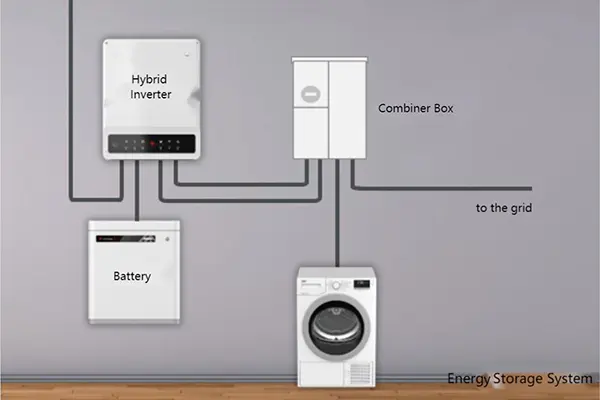
Understanding hybrid inverters: how dynamic frequency modulation and DC/AC conversion topologies affect battery performance and overall system efficiency.
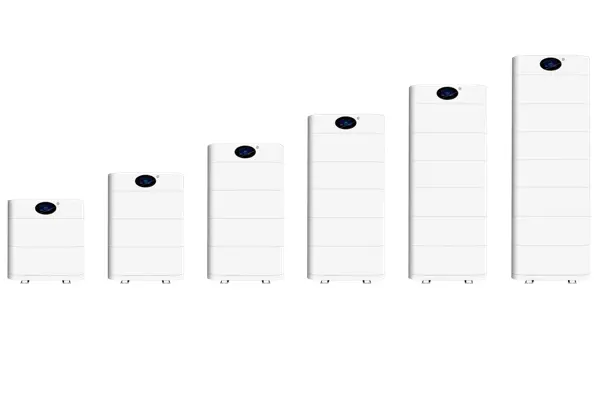
Comparing LiFePO4 with standard NCM formulations, focusing on thermal safety, overall degradation characteristics, and suitability for stationary energy storage systems.
An analysis of operational differences, cooling requirements, and economic returns in commercial peak-shaving applications compared to residential systems.
ELEMRO presents its latest line of off-grid and hybrid energy storage units designed specifically for the microgrid requirements of island regions in Southeast Asia.
Analyzing the integration of thin-film CdTe glass panels into building facades to generate local power without requiring extra roof space.
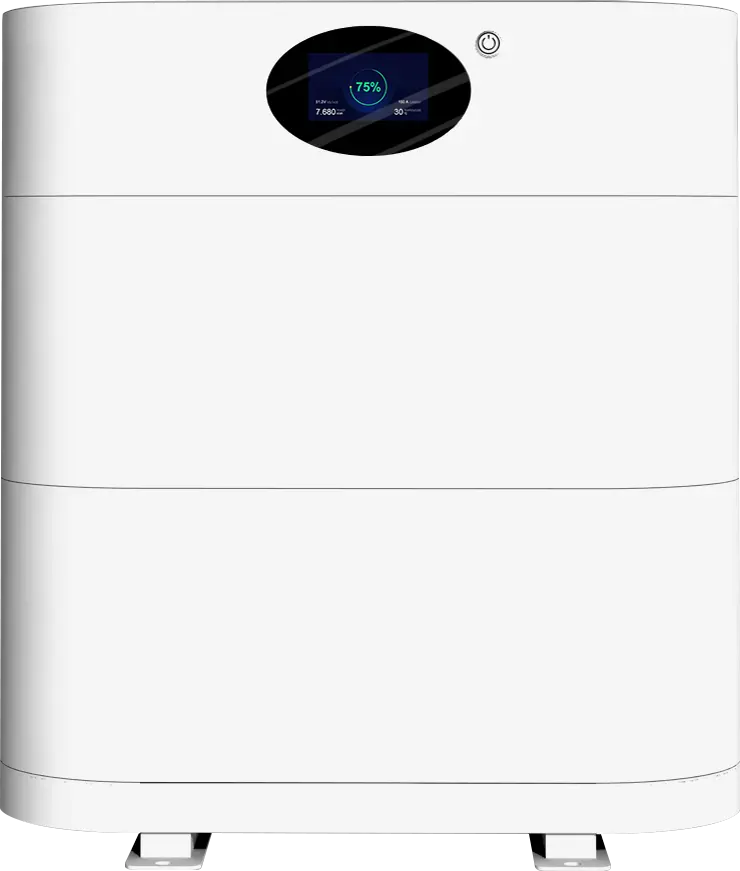
A review of technical standards in residential energy storage, covering cell degradation patterns, charge rates, and smart communication interface profiles.
Common questions regarding technology, compliance, deployment, and performance specs.
Lithium Iron Phosphate (LiFePO4) offers excellent chemical and thermal stability. It does not release oxygen at high temperatures, significantly reducing the risk of thermal runaway. Additionally, LFP batteries deliver more than 6,000 charge cycles at 80% Depth of Discharge (DoD), compared to typical cobalt-based chemistries that average around 1,500 to 2,000 cycles.
Low-voltage (LV) systems operate below 100V (commonly 48V) and are designed for residential use due to ease of installation. High-voltage (HV) systems connect series-stacked modules to reach operating values of 400V to 1000V+. HV configurations reduce current-related losses over cables, improving conversion efficiency in commercial applications.
Large container installations utilize forced HVAC air-cooling or active liquid coolant loops. Air systems manage standard regional climates efficiently, whereas liquid-cooling plates contact cells directly to transfer heat away during high-C-rate operations, keeping cell temperatures within optimum limits.
Yes. Our configurations support AC-coupled integrations, allowing them to connect directly with existing solar arrays and standard grid networks via custom inverters. For new installations, DC-coupled topologies simplify system design by routing PV generation through unified hybrid charge controllers.


Select from our complete range of certified energy storage systems and components.
 Elemro Energy