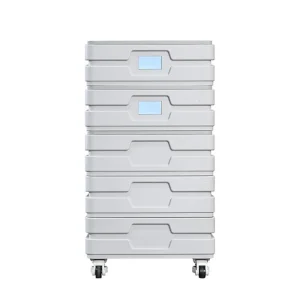
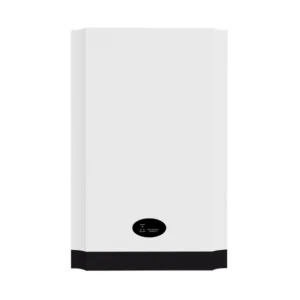
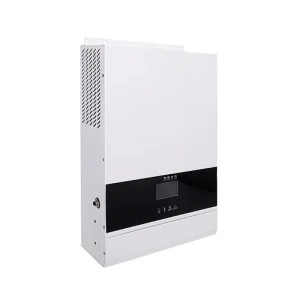
Explore our highly integrated lithium iron phosphate (LFP) energy storage systems engineered for maximum round-trip efficiency, safety, and cycle life.
China stands as the undisputed global epicenter for Battery Energy Storage System (BESS) manufacturing. Over 75% of the world's lithium-ion cell production capacity resides within Chinese borders, driven by an unparalleled consolidation of the supply chain. This ecosystem spans raw material processing, active cathode material fabrication, cell manufacturing, smart Battery Management System (BMS) engineering, and complete containerized integration.
By leveraging this localized value chain, manufacturers like Elemro Energy can implement strict quality management loops while maintaining unmatched cost efficiencies. Based in Xiamen, China, Elemro relies on direct partnerships with leading raw lithium miners and cell developers, minimizing transport risks, optimizing tariff frameworks, and executing fast engineering changes that Western integrators simply cannot match in agility.
The global transition toward decentralized power grids has accelerated the demand for highly reliable, long-duration energy storage. Modern BESS technologies are shifting away from older chemistries (such as NMC) toward Lithium Iron Phosphate (LiFePO4) due to superior thermal runaway thresholds and longevity profiles. Additionally, the industry is witnessing a structural migration from low-voltage (LV) setups toward high-voltage (HV) stacked and liquid-cooled configurations.
High-voltage architectures (often operating at 800V to 1500V DC) drastically reduce system current levels. This design choice decreases power cable cross-sections, minimizes conversion losses in the Energy Storage Inverters, and yields a significant boost in round-trip efficiency (RTE). In parallel, smart cloud integration powered by AI is enabling predictive diagnostics (State of Health - SoH, and State of Charge - SoC) to identify degradation anomalies before failures occur.
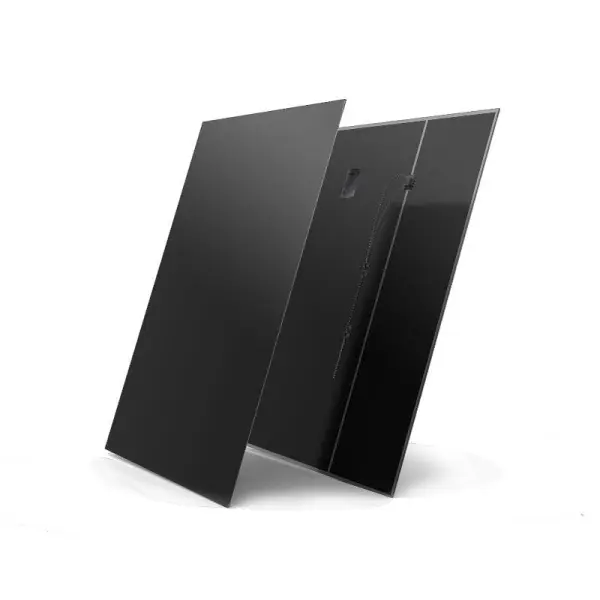
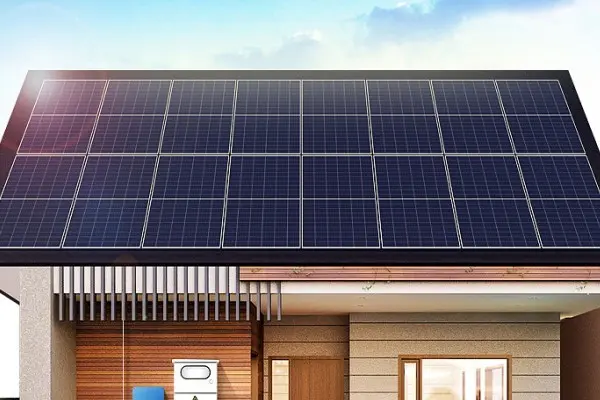
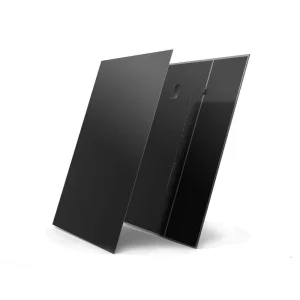
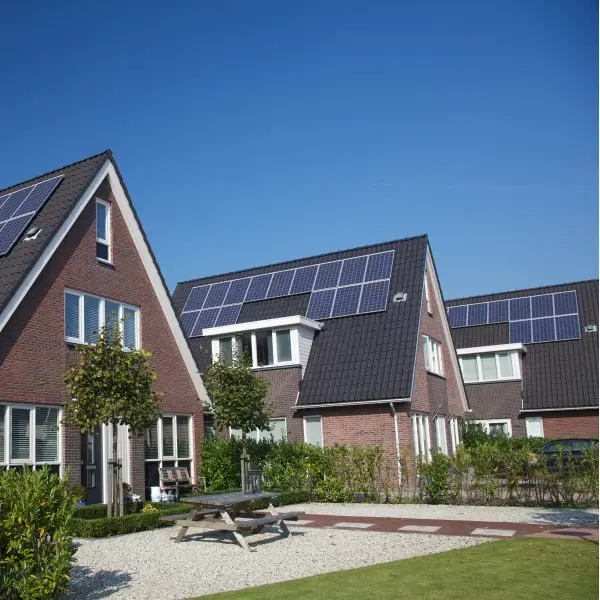
Furthermore, Building-Integrated Photovoltaics (BIPV) utilizing advanced materials like Cadmium Telluride (CdTe) Thin Film Solar Cells are becoming a standard coupling with industrial BESS, facilitating carbon-neutral construction envelopes.

Our comprehensive new energy systems integrate physical generation, intelligent storage, and distribution assets.
Harnessing CdTe thin film technology to convert structural facades into clean power generators, feeding seamlessly into local BESS units.
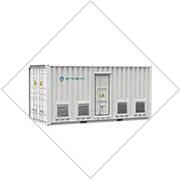
Large-scale modular containers equipped with liquid cooling, fire suppression systems (FM200/Novec1230), and integrated multi-tier BMS.
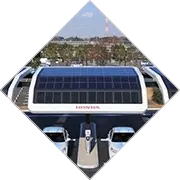
Decentralized PV structures optimized for commercial parking zones, providing direct EV fast charging combined with buffer batteries.
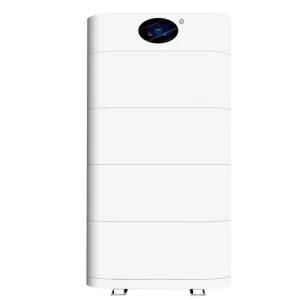
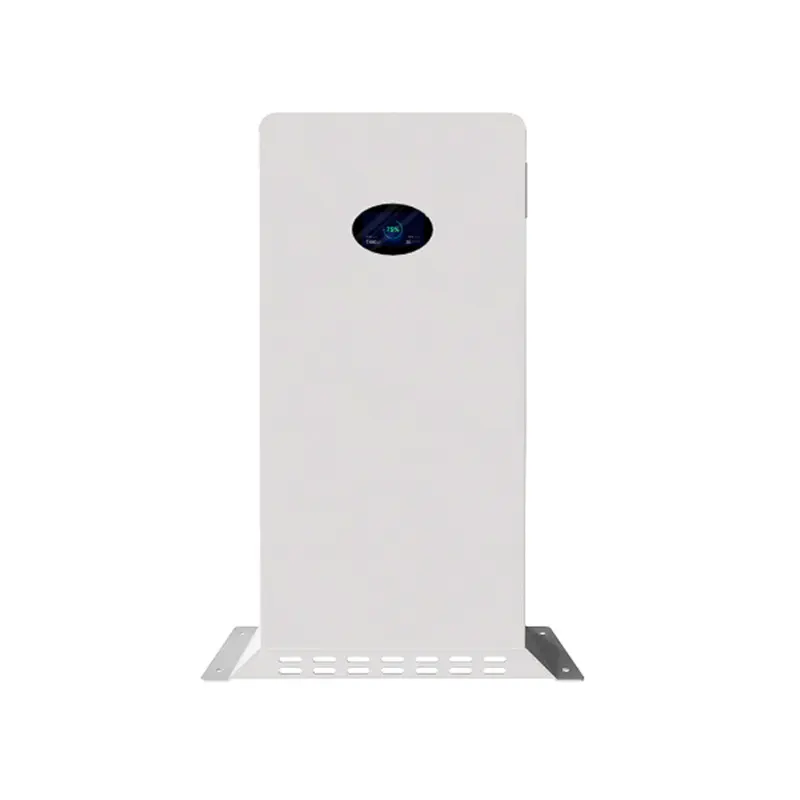
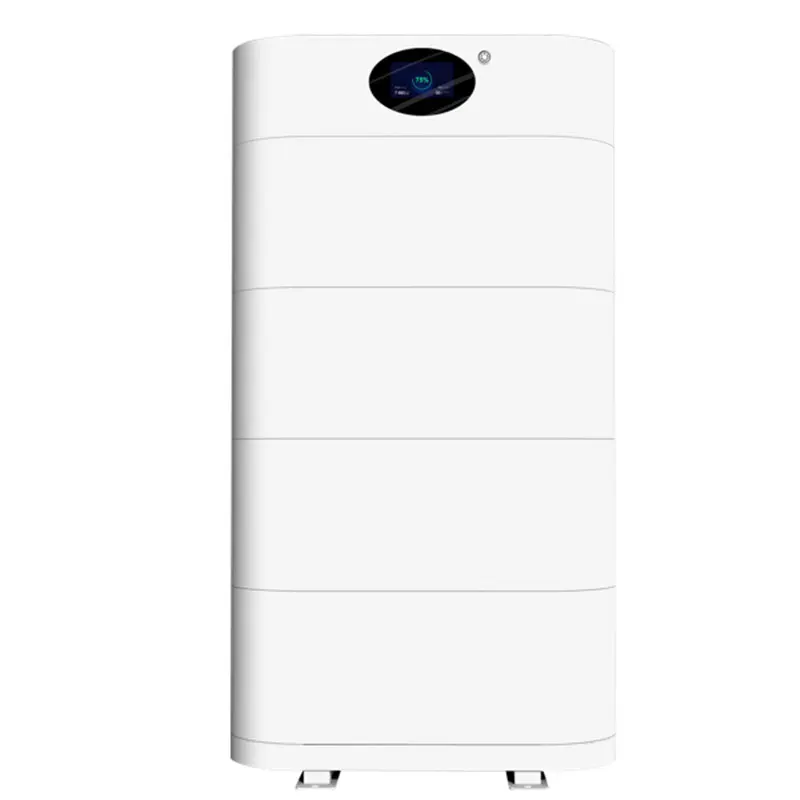
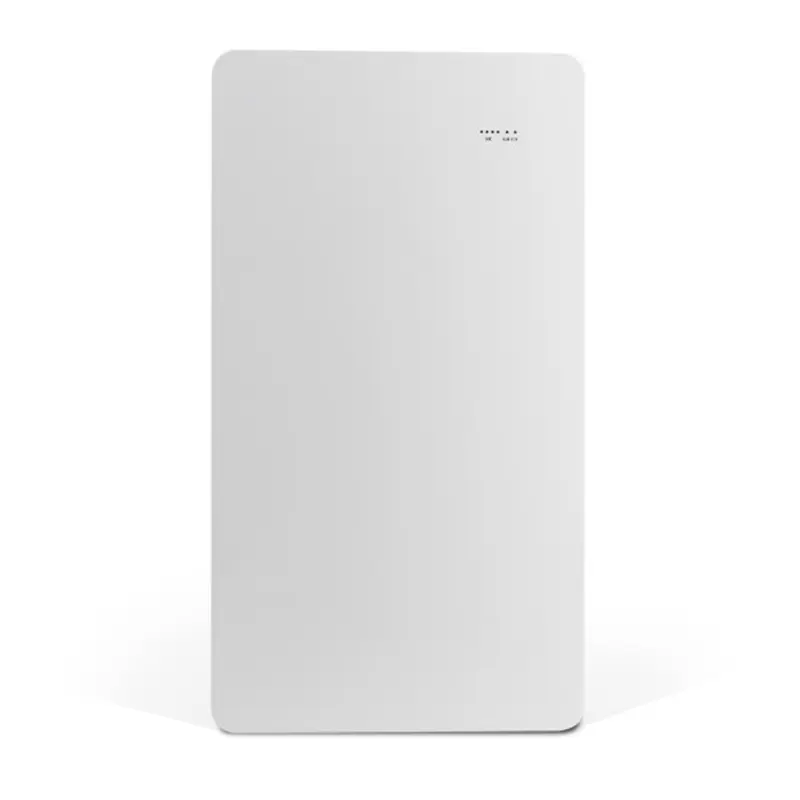
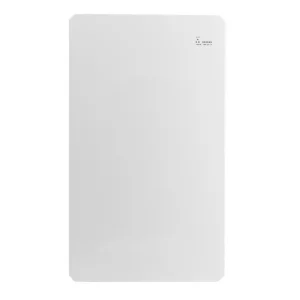
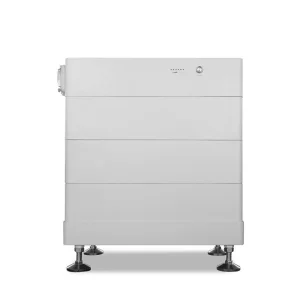
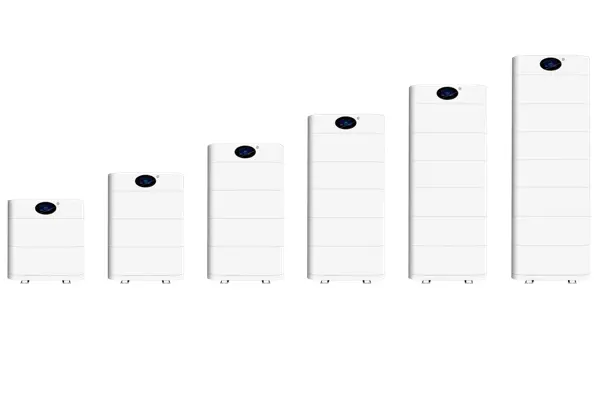
The utility of energy storage manifests differently across geographical regions. In developed markets with volatile peak pricing tariffs, such as Central Europe and North America, BESS acts primarily as a mechanism for arbitrage, peak-shaving, and self-consumption optimization. High-voltage stacked systems like the Elemro WHLV series allow homeowners and commercial entities to store excess rooftop solar energy during peak midday generation and discharge it when grid utility rates surge.
Conversely, in island nations, remote agricultural zones, and regions experiencing grid instability (e.g., portions of Southeast Asia and Africa), BESS is integrated as a critical Microgrid Stabilizer. Here, systems operate in off-grid modes, utilizing black-start capabilities to form a stable grid voltage reference. This enables diesel generator replacement and ensures smooth industrial production lines.
At the grid level, integrating renewable energies (PV and wind) requires massive buffer storage. When large solar installations inject power intermittently, it creates grid congestion and instability. Macro-level BESS deployments mitigate these risks by functioning as virtual power plants (VPPs). By aggregating thousands of distributed storage units, grid operators can absorb or inject power dynamically, balancing supply and demand in real-time.
Additionally, Elemro Energy develops macro solutions combining PV panels, BIPV CdTe thin-film panels, electric vehicle charging infrastructures, and modular containerized energy storage systems. This unified approach delivers a reliable energy cushion that stabilizes local distribution grids, improves corporate carbon accounting (Scope 1 and Scope 2 emission reduction), and ensures consistent power availability.

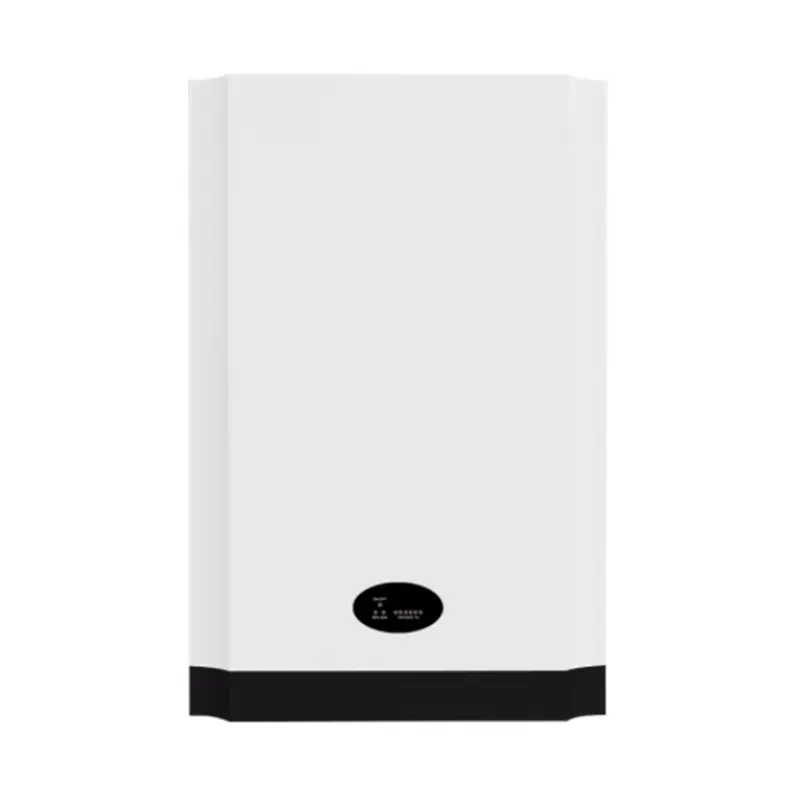
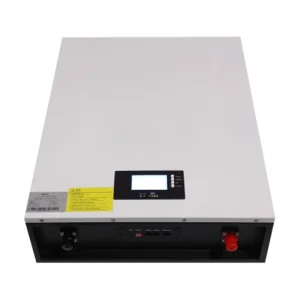
Highly tailored battery packs and integrated energy solutions for modern architectural and grid installations.
A leading vertical developer, manufacturer, and solution integrator in the new energy storage landscape.
Established in 2019 and headquartered in the high-tech hub of Xiamen, China, Elemro Energy has built a reputation as a specialized provider of advanced energy storage systems and electrical product solutions. Integrating research and development, pilot manufacturing, testing, and global sales, Elemro serves as a unified partner for clients navigating complex clean energy transitions.
Our core product lines cover residential low-voltage and high-voltage battery storage, containerized industrial and commercial BESS, solar system inverters, and thin-film CdTe BIPV modules. Today, Elemro's solutions support customers in more than 250 regions across Europe, Southeast Asia, Africa, the Middle East, and the Americas. Since our founding, we have maintained a robust growth curve, with annual turnover projected to exceed $50 million USD, demonstrating the bankability and reliability of our technology.
Sourcing large-capacity battery systems requires careful analysis of long-term risk. Engineering procurement and construction (EPC) companies must vet manufacturers based on deep technical specifications rather than pricing alone. The key metrics to request from any factory include cell grade certificates, degradation profiles under varying temperature bounds, and the capability of the local Battery Management System.
Crucially, buyers must review certification matrices: UN38.3 for safety during transport, IEC 62619 for industrial battery safety, and UL 9540A testing protocols to confirm that thermal runaway events will not propagate. Thermal management systems must also be evaluated; active heating and cooling loops are critical for maintaining LFP cells within their sweet-spot operating range (15°C to 30°C), preventing accelerated calendar capacity fade.
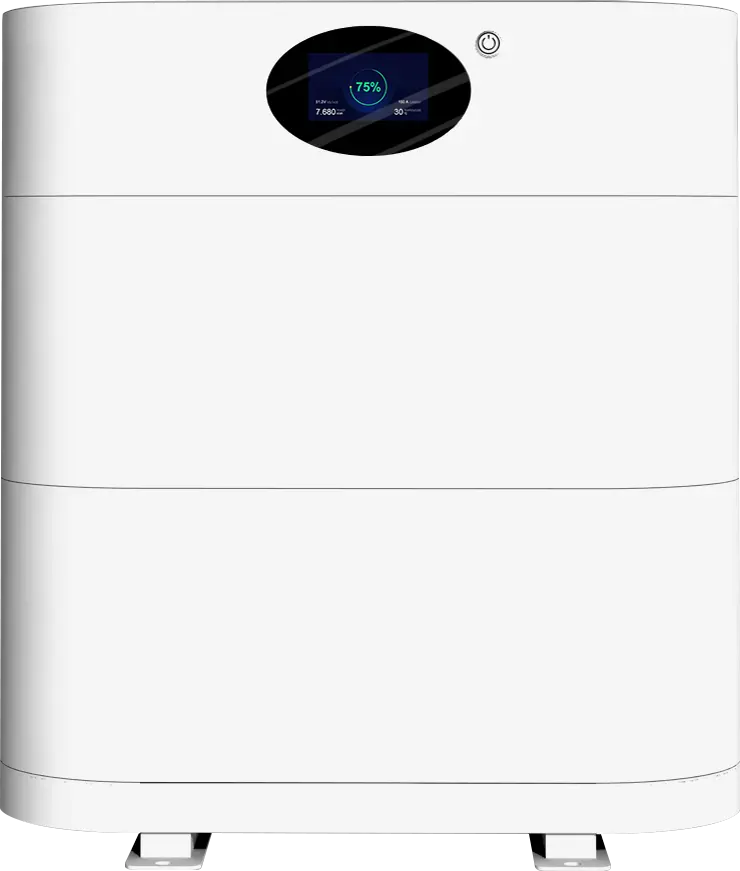
Keep pace with emerging technologies, application scenarios, and design guidelines written by Elemro's system engineering team.
Explore authoritative answers to the most common engineering and procurement questions regarding lithium energy storage.
Lithium Iron Phosphate (LiFePO4) has become the dominant technology for stationary grid and building energy storage due to its exceptional thermal stability and lifespan. Unlike NMC (Nickel Manganese Cobalt) cells, LFP cells feature a higher thermal runaway threshold (around 270°C vs NMC's 210°C) and release significantly less heat and oxygen if punctured. Furthermore, LFP systems routinely deliver 6,000+ full charge/discharge cycles before dropping to 80% original capacity, whereas NMC packs typically show degradation after 2,000 to 3,000 cycles.
High-Voltage (HV) stacked battery systems connect cells in a longer series sequence to achieve terminal voltages from 200V to over 800V DC. In contrast, standard home systems typically run at 48V. Because Power (W) equals Voltage (V) multiplied by Current (I), raising the operating voltage reduces the current required to deliver the same power. Lower current levels minimize energy loss as heat (I²R losses), allow for thinner connecting cables, improve the overall round-trip conversion efficiency (RTE) of the inverter, and simplify scaling of commercial installations.
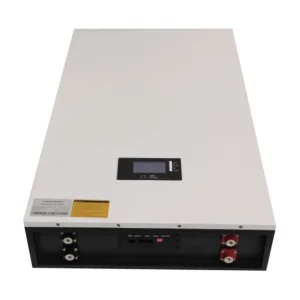
The BMS acts as the brain of the battery storage system. It continuously monitors parameters such as cell voltage, operating current, cell surface temperature, and internal resistance. Elemro's multi-tier BMS integrates local cell balancing to prevent overcharging or overdischarging. It also includes short-circuit isolation relays and communication loops that interface with inverters. If thermal anomalies are detected, the BMS triggers fire suppression systems and isolates the affected pack to prevent propagation.
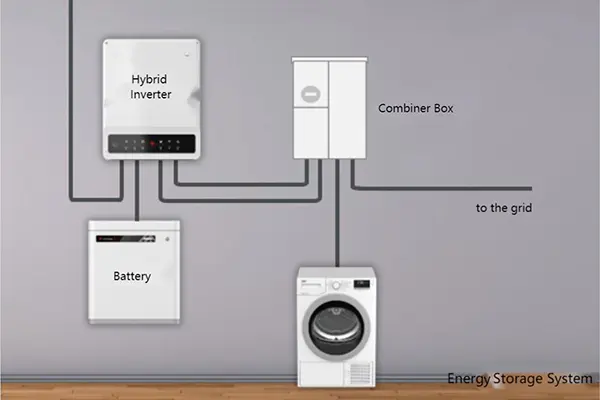
Yes. Our CdTe (Cadmium Telluride) Thin Film Solar modules function as standard PV generation assets. When installed on building facades or roof spaces, their DC output is routed through a Hybrid MPPT Inverter, which optimizes the power curve before feeding it to our high-voltage or low-voltage storage batteries. This combination creates an integrated building-integrated energy solution, converting passive surfaces into active generating and storage infrastructure.
Explore Elemro Energy's certifications, modular configurations, and standard options for rapid global deployment.




 Elemro Energy