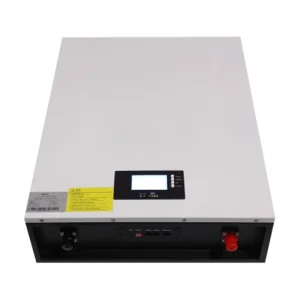
Battery Energy Storage Systems (BESS) represent the cornerstone of the modern clean energy grid transition. As wind and solar generation capacities scale exponentially, grid instability, curtailment issues, and load-shedding risks demand intelligent storage technologies. BESS electricity networks act as the critical buffer, smoothing out the intermittency of renewable sources and supplying dynamic, sub-second responses to load fluctuations. Over the past decade, battery energy storage has evolved from an experimental grid ancillary technology to an institutional-grade infrastructure asset class.
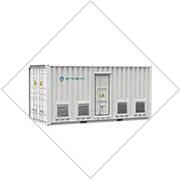
Globally, the demand for high-capacity battery solutions is driven by aggressive zero-carbon policies, surging electrification of industrial sectors, and microgrid infrastructure updates. Modern utility systems are moving away from traditional combustion turbine peaking plants toward containerized energy storage configurations. These platforms utilize specialized high-voltage architectures, advanced Battery Management Systems (BMS), and active liquid cooling systems to safely optimize high C-rate discharging profiles and extend cycle life.
The shift towards lithium iron phosphate (LiFePO4) chemistry has redefined safety standards, offering robust thermal runaway thresholds compared to traditional nickel-manganese-cobalt (NMC) chemistries. Furthermore, the integration of Artificial Intelligence (AI) and Energy Management System (EMS) software allows commercial operators to participate in capacity markets, dynamic peak-shaving, and frequency regulation, yielding substantial economic returns.
Industrial and commercial enterprise energy procurement directors face complex engineering questions when evaluating BESS manufacturers. The decision goes far beyond initial battery cost per kilowatt-hour ($/kWh). Total cost of ownership, Levelized Cost of Storage (LCOS), safety certifications, round-trip efficiency (RTE), and supplier warranty terms serve as primary key performance indicators.
To maintain strict compliance with global safety standards, systems must adhere to strict fire safety protocols (including UL 9540A module and system level tests, NFPA 855 guidelines, CE, and UN38.3 certifications). Enterprise procurement professionals prioritize manufacturers capable of providing end-to-end electrical protection layouts, advanced early-warning gas detection sensors (such as carbon monoxide and hydrogen sensors), and integrated aerosol-based fire suppression mechanisms within container enclosures.
Moreover, deep physical system integration—ensuring seamless communication protocols between power conversion systems (PCS), energy management layers, and localized SCADA setups—is crucial. Leading procurement agents seek vertical manufacturers who command full authority over cell grading, pack thermal profiling, and system-wide commissioning support.
We source and manufacture premium grade-A LiFePO4 cells. Every individual cell undergoes static and dynamic internal resistance profiling, capacity aging tests, and thermal stress tests to prevent imbalance and minimize heat generation.
Our large-scale energy storage systems implement intelligent cooling technologies (both advanced air-forced circulation and premium liquid plate cooling) to maintain cells within their optimal temperature window.
Our solutions feature multi-stage protection across the BMS, PCS, and overall cabinet structure. Systems include high-grade gas detectors, automated module-level isolation, and targeted fire extinguishing agents.
Established in 2019 and headquartered in the high-tech hub of Xiamen, China, ELEMRO Energy has positioned itself as an industry leader in new energy storage systems. Elemro integrates scientific R&D, automated assembly, global logistics, and responsive after-sales support. Delivering storage solutions to more than 250 corporate accounts across Europe, Southeast Asia, Africa, the Middle East, and the Americas, ELEMRO has achieved rapid financial scale. The company's annual turnover is expected to exceed 50 million USD in 2023, reflecting its market validation.
China's battery supply chain offers unmatched scale, resource depth, and assembly automation. ELEMRO leverages this ecosystem, maintaining close ties to raw material inputs and refining centers. This strategic advantage ensures a resilient supply of lithium carbonate, copper foils, cell casings, and system electronics even during global shipping disruptions.
ELEMRO’s manufacturing plant operates on Industry 4.0 standards. Advanced robotic pick-and-place lines construct battery modules, laser-weld terminal busbars, and run automated computerized cell matching. By removing manual handling stages, cell alignment and connection reliability remain consistent, virtually eliminating hot spots. The factory uses MES tracking databases, creating a digital profile for each battery system. This archives individual test curves, cycle logs, and safety data.
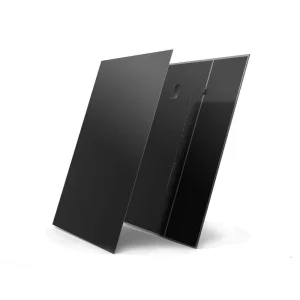
ELEMRO Energy delivers clean tech integrations that span solar glass panels, high-voltage container solutions, and customized BESS products. This unified technology offering helps commercial properties, green residential sectors, and public facilities achieve complete off-grid reliability.

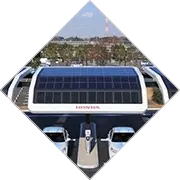
Modern commercial battery installations serve diverse engineering roles across multiple applications. The economic feasibility of battery energy storage depends on local electrical grids, utility rate structures, and regional generation mixes.
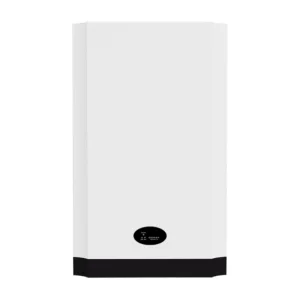
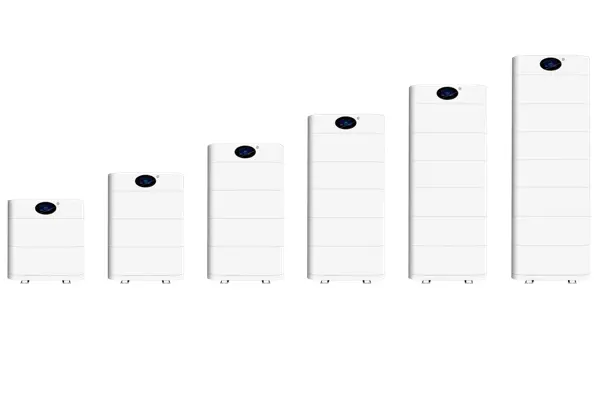
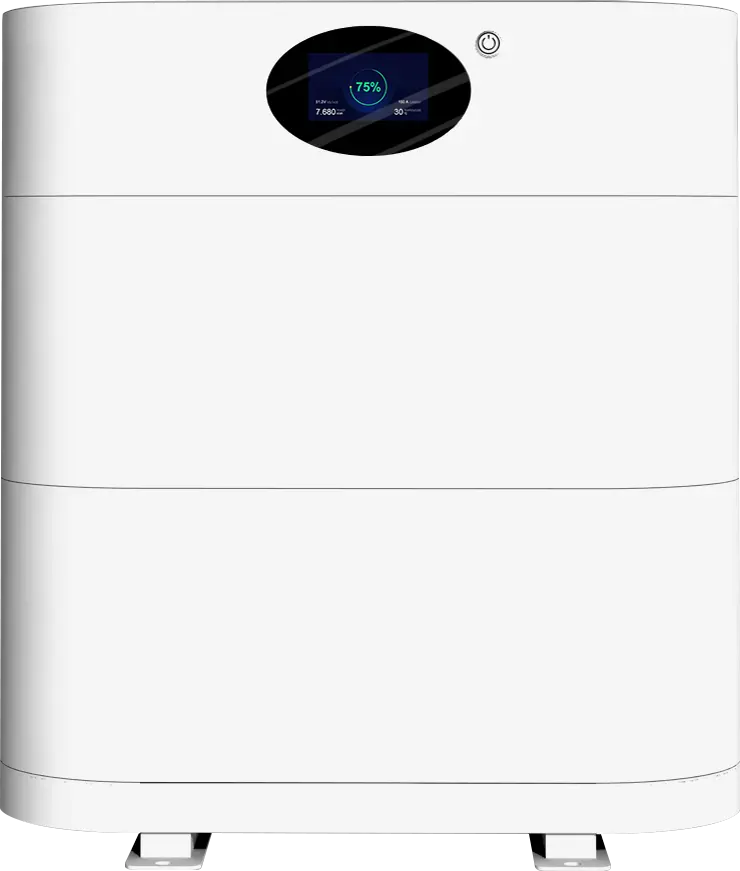
C&I facilities face high utility bills, often driven by demand charges linked to peak usage periods. Integrating ELEMRO systems like the SHELL 10.2kWh or 14.3kWh configurations helps facility managers set active discharge limits during peak periods. This strategy flattens demand curves, reducing monthly operating costs.
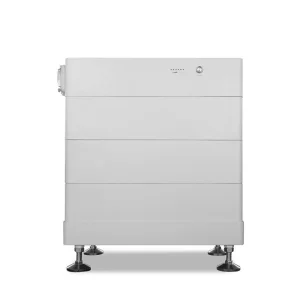
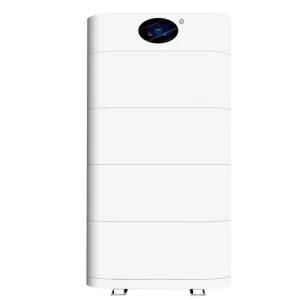
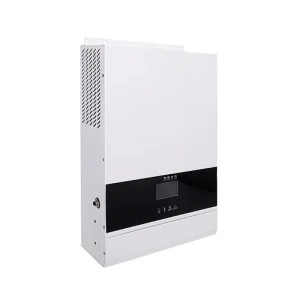
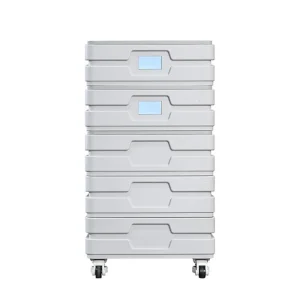
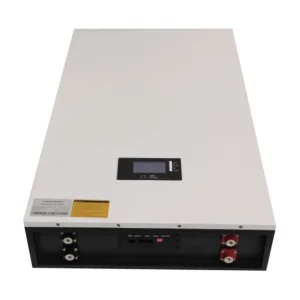
In rural areas, mining operations, and telecommunications installations, local grid power can be unreliable. Wall-mounted lithium battery systems and high-voltage stacked configurations provide reliable backup storage. Paired with solar arrays or generators, these systems create resilient microgrids that protect operations from grid failure.
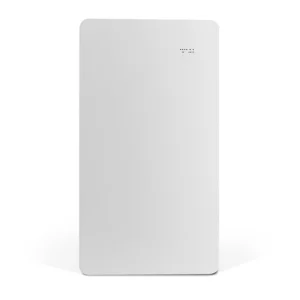
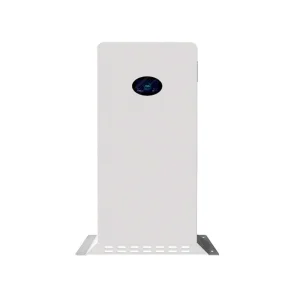
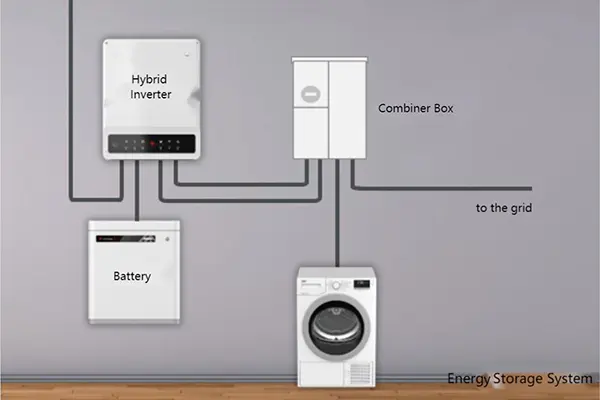
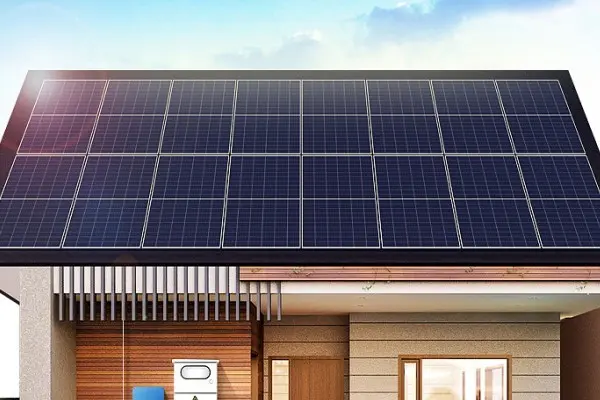
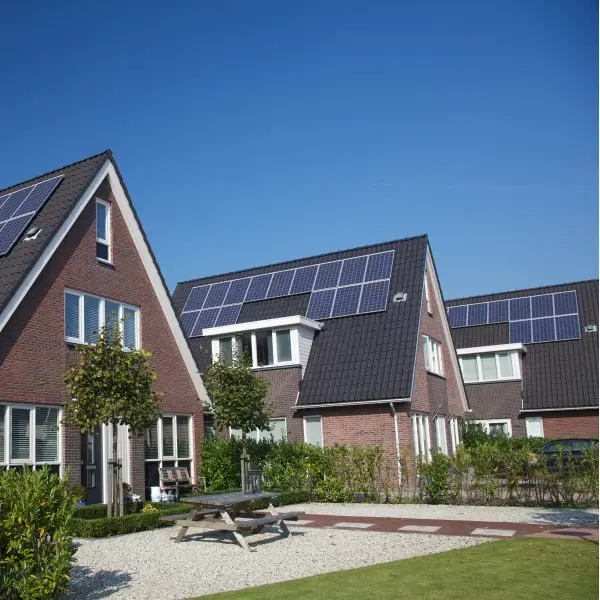
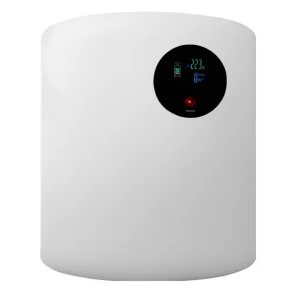
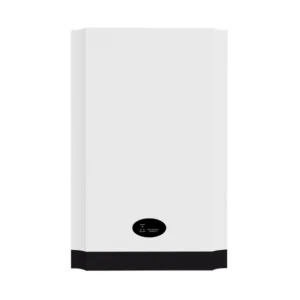
For homeowners, self-consumption optimization is key to solar investment. Using a WHLV 5kWh or 10kWh residential LiFePO4 battery package allows homeowners to store excess daytime solar generation. This energy is deployed during evening peaks, providing cost savings and backup power during grid outages.


Whether you require utility-scale containers, grid-tied battery storage, BIPV integration, or a residential solar backup system, our engineering team is here to assist. Connect with our technology experts to receive a detailed cost analysis, structural design guidelines, and system integration specs.
Inquiry For Pricelist Elemro Energy