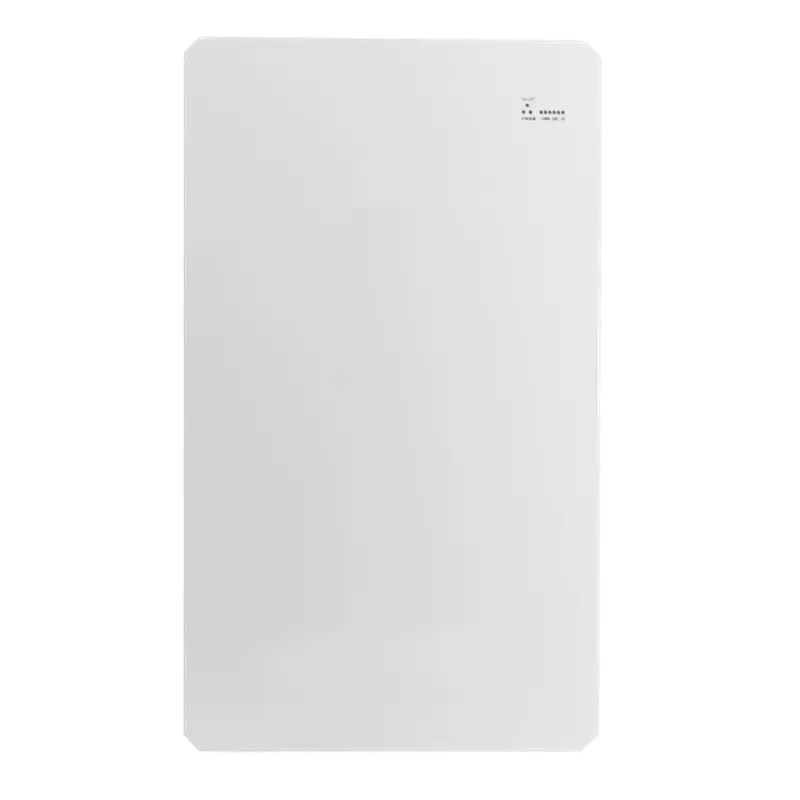
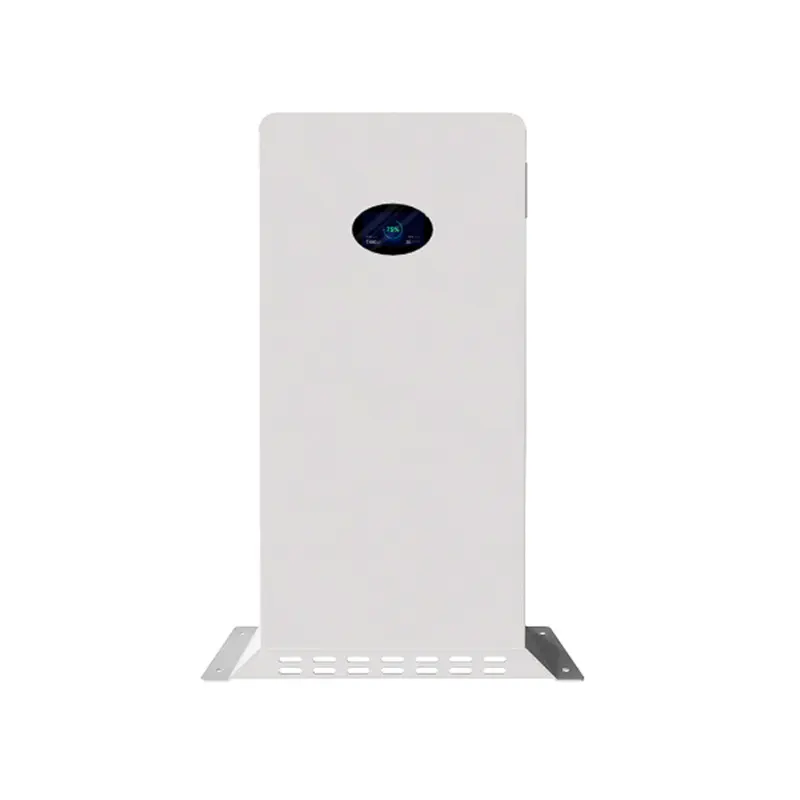
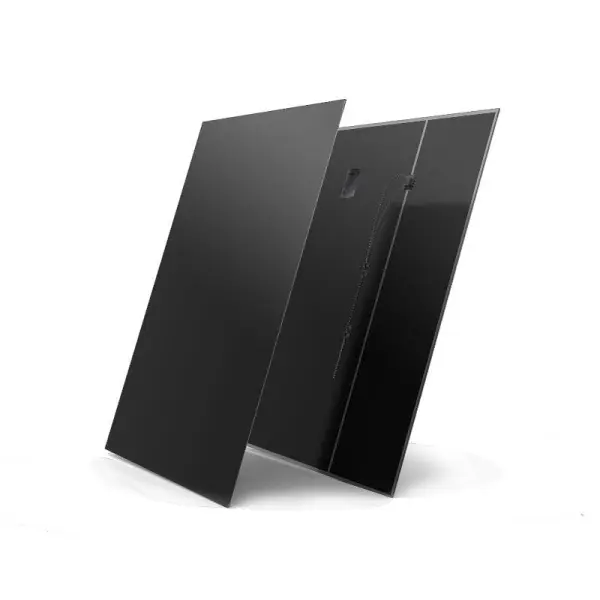
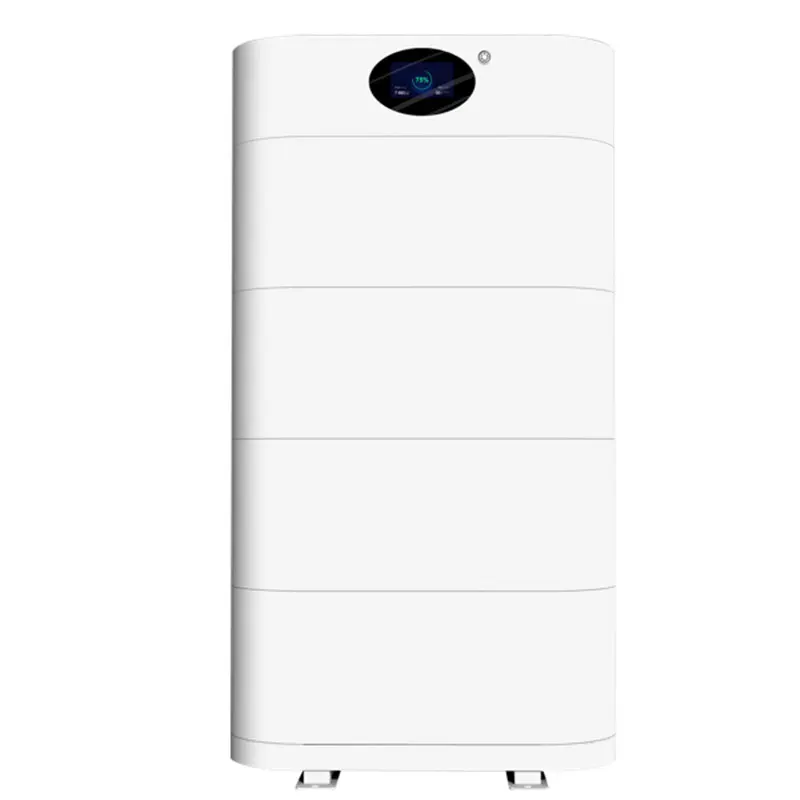
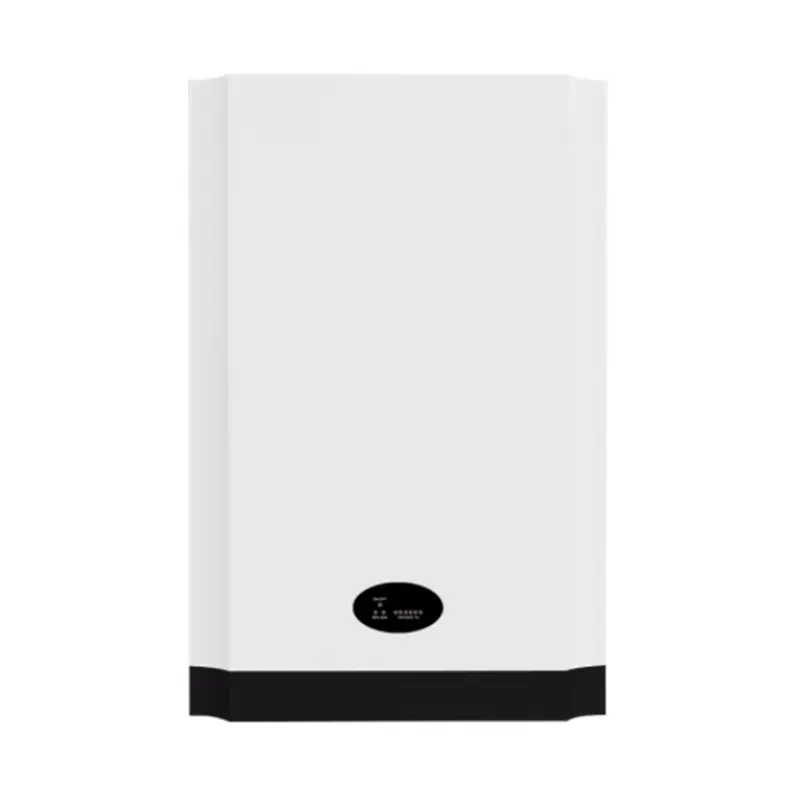
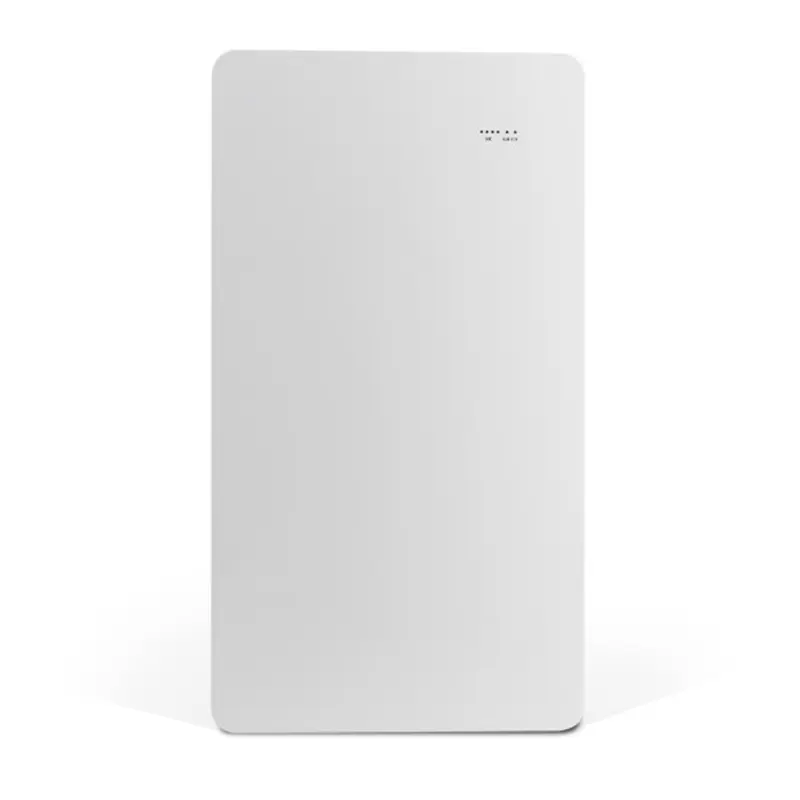
Direct from top-tier energy storage manufacturing facilities engineered for long cycle life and extreme reliability.
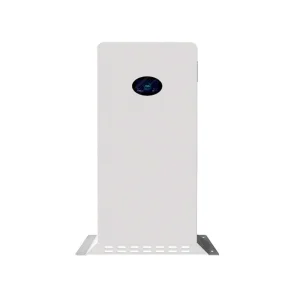
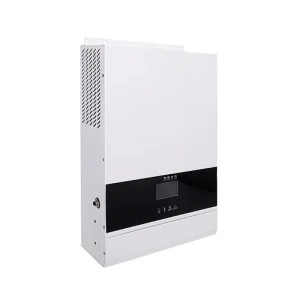
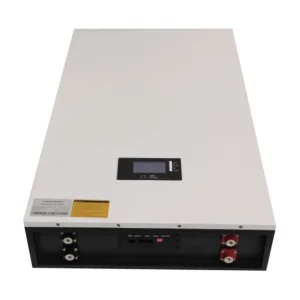
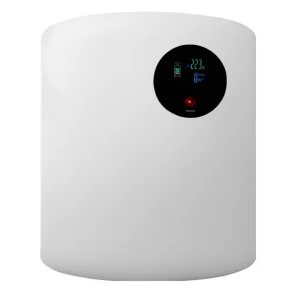
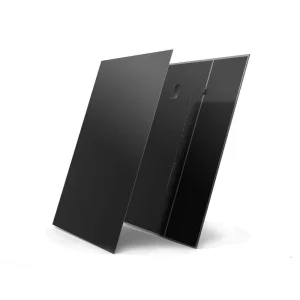
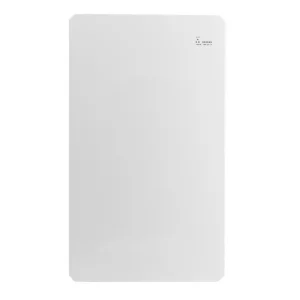
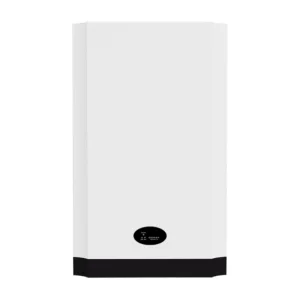
Behind-the-Meter (BTM) energy storage refers to battery storage systems physically located on the customer side of the utility electricity meter. Unlike Front-of-the-Meter (FTM) storage designed for utility-scale dispatch, BTM systems optimize on-site energy management, allowing commercial, industrial, and residential users to reduce demand charges, backup essential systems during grid outages, and maximize solar self-consumption.
As the global energy transition accelerates, decentralization is shifting the balance of grid operations. BTM systems serve as the critical interface between renewable generation assets and distributed end-use. Modern manufacturers leverage lithium iron phosphate (LiFePO4) cell chemistry, intelligent thermal management, and digital Energy Management Systems (EMS) to deliver solutions that are not only financially viable but essential for grid stabilization.
"The convergence of rising grid demand charges, dynamic time-of-use (ToU) utility pricing models, and falling battery chemistry costs is transforming BTM storage from a resilience accessory into a crucial economic asset."

Established in 2019, and headquartered in the high-tech hub of Xiamen, China, Elemro Energy has built an international reputation specializing in new energy storage and electrical product solutions. Combining vertical integration of R&D, advanced automated manufacturing, and global sales support, Elemro stands as a prominent market pioneer.
Our solutions span BTM residential systems, C&I liquid-cooled systems, integrated solar glass architectures, and microgrid components. Having delivered high-performing assets to over 250 enterprise clients across Europe, Southeast Asia, Africa, the Middle East, and the Americas, ELEMRO's annual turnover surpassed 50 million USD in 2023. Our engineering principles prioritize long-term performance, fire safety, and cross-platform grid compliance.
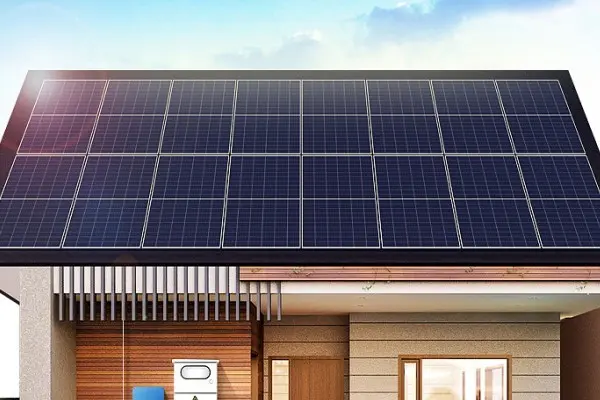
BIPV building integrated photovoltaics engineered to convert building envelopes into active energy generation nodes.
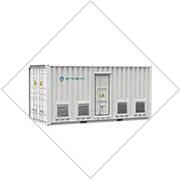
High-voltage utility scale and large C&I outdoor battery configurations boasting automated fire suppression and liquid cooling.
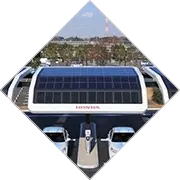
Modular steel-frame solar carports designed to generate clean local power directly for fleet or consumer electric vehicle charging.
The business model and deployment architecture of BTM energy storage systems vary extensively depending on geographical regulatory frameworks, regional grid topologies, and dynamic utility tariff structures.
In the United States, particularly within PJM, ERCOT, and CAISO territories, BTM storage is heavily driven by peak demand charges and regional incentive programs like California's SGIP. Regulatory compliance with UL 1973, UL 9540, and UL 9540A thermal runaway safety standards is mandatory for facility interconnect permissions.
In European countries like Germany, the UK, and Italy, BTM deployment centers on maximizing self-consumption from commercial PV installations. High retail electricity rates combined with declining feed-in tariffs (FiTs) drive the business case for battery systems, frequently utilizing automated multi-service scheduling (arbitrage, dynamic frequency response).
Across Southeast Asia and Australia, weak transmission infrastructure and remote industrial operations make hybrid microgrids critical. In countries like Australia, virtual power plants (VPPs) group residential and commercial BTM batteries to support grid reliability while generating new revenue streams for asset owners.
Global Industrial Enterprise Clients
Annual Turnover (USD)
Cycles @ 80% DOD Lifespan
Year Established & Engineered
For BTM storage to succeed in diverse markets, manufacturers must adapt equipment to meet precise local standards. ELEMRO ensures all our factories design products to align with stringent international certifications. From UL and CE compliance to regional battery transport guidelines, our systems are certified for safe deployment worldwide.
Deploying energy storage involves navigating complex permitting processes. Our field application engineers assist clients with local utility interconnection rules, ensuring that inverter software interfaces perfectly with local distribution systems (e.g., IEEE 1547, VDE-AR-N 4105, G99). This reduces local engineering costs and accelerates project commissioning timelines.
A look at the technology path driving changes in energy capacity, thermal management safety, and AI-enabled grid integration.
Moving away from cobalt-based chemistries toward safer LiFePO4 structures, with R&D teams actively optimizing solid-state battery technologies for superior volumetric density and zero-runaway risk.
Switching from forced-air cooling to closed-loop liquid thermal systems. This technology helps maintain pack temperatures within a tight ±2°C window, extending total battery lifecycle by up to 25%.
BTM storage systems using AI-powered EMS software can analyze local weather data and grid pricing trends to optimize battery charging. Integrating Vehicle-to-Grid (V2G) interfaces allows EV fleets to act as supplementary back-up units.
High-efficiency BTM solutions matching rigorous utility and safety requirements.
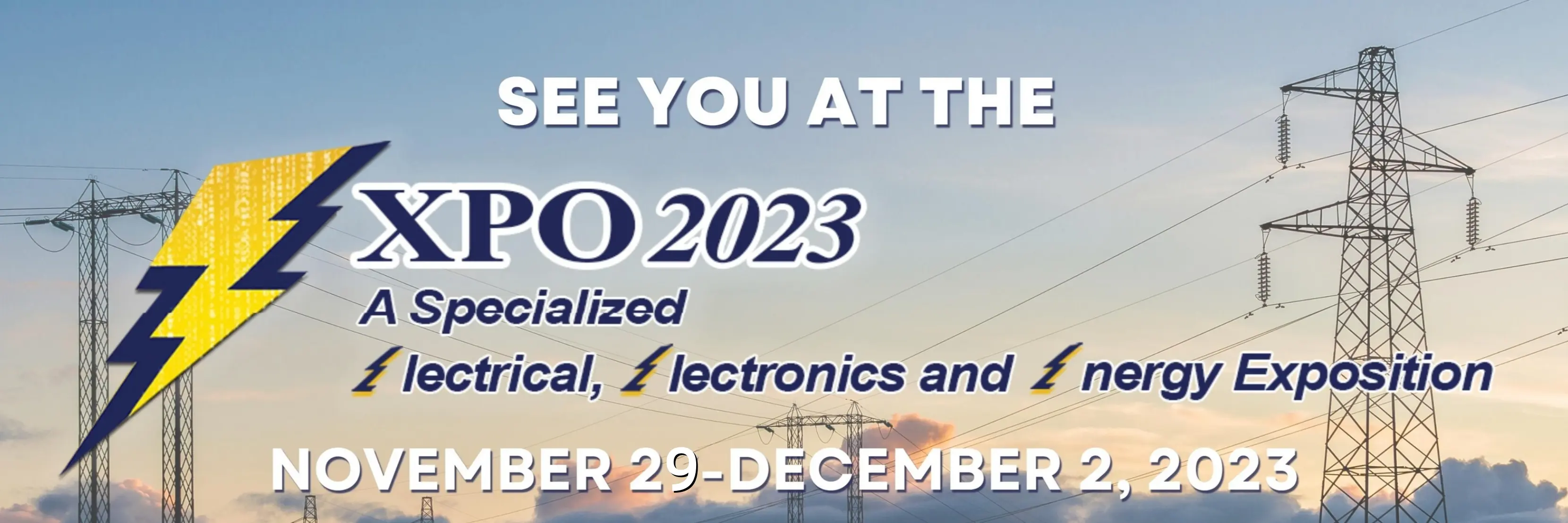
Updates on battery inverter technology, residential systems, and global exhibition announcements.
Deep-dive answers to common questions about installing, scaling, and managing BTM batteries.
The Levelized Cost of Storage (LCOS) for commercial and industrial BTM systems typically ranges from $0.08 to $0.15 per kWh, depending on cell cycles, depth of discharge (DoD), and project scale. By optimizing peak demand shaving and self-consumption, modern LFP systems can achieve amortization in 5 to 7 years in high-tariff regions.
Quality manufacturers implement multi-level protection systems. This includes using Lithium Iron Phosphate (LiFePO4) chemistry for high thermal stability, dynamic cell monitoring via an intelligent BMS, and physical protection layers such as fire barriers and aerosol fire suppression systems complying with UL 9540A guidelines.
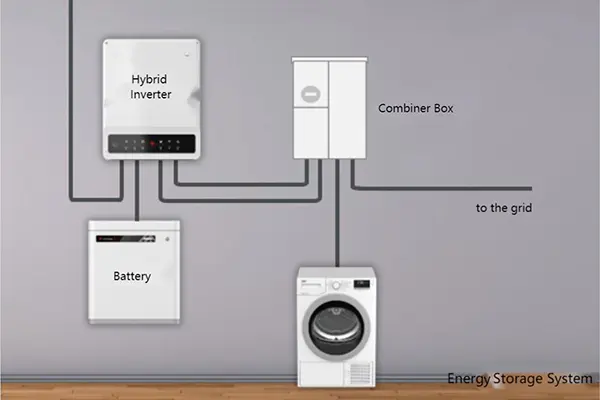
Yes. Most industrial and residential BTM systems use hybrid or bi-directional inverters that can switch modes. During grid disruptions, the system disconnects from the grid using an automatic transfer switch (ATS), allowing critical operations to run securely in an isolated microgrid setup.
An Energy Management System (EMS) monitors building loads and utility demand thresholds in real time. When electricity usage nears a defined peak charge limit, the EMS automatically triggers battery discharge to support the load, preventing expensive demand charge spikes.
Explore our full range of certified high-voltage and low-voltage energy systems.
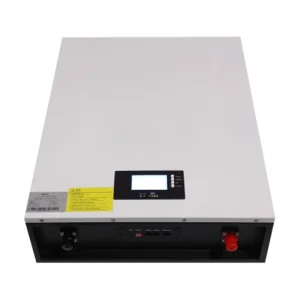
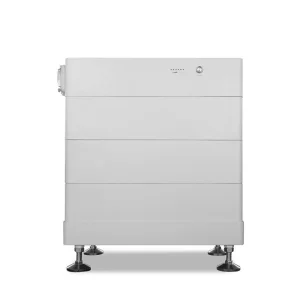
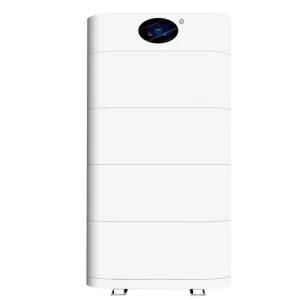




For inquiries about our BTM energy storage solutions, customization services, or price lists, submit your request and our technical support team will contact you within 24 hours.
Inquiry For Pricelist Elemro Energy