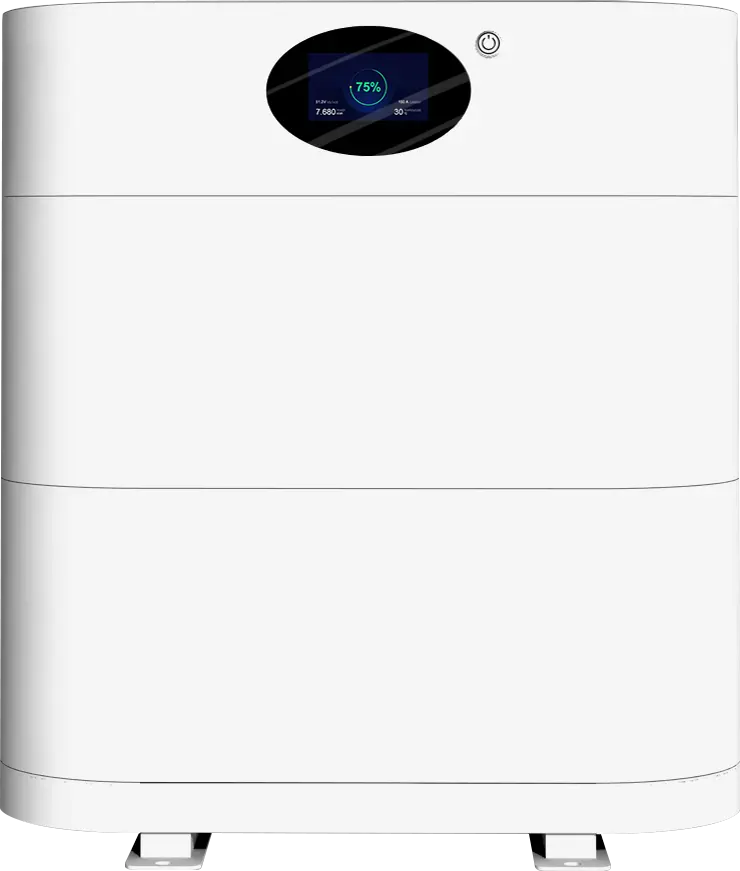
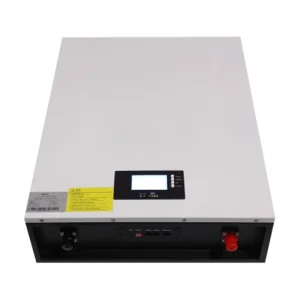
Explore our industrial-grade Tier-1 lithium battery systems designed for high round-trip efficiency, longevity, and thermal stability.
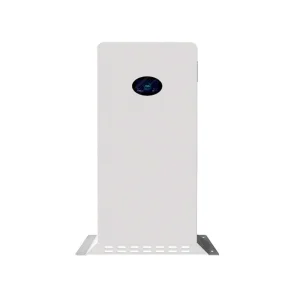
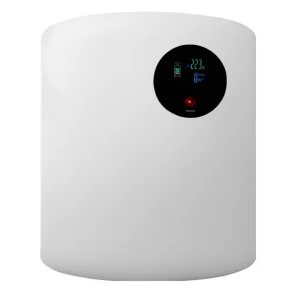
Providing cleaner, smarter energy solutions to build a reliable and decentralized power network globally.

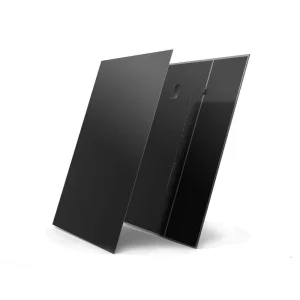
High-transmittance, ultra-clear photovoltaic glass engineered to optimize light conversion and protect active silicon layers under extreme weather parameters.
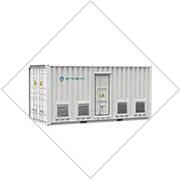
Integrated Megawatt-scale BESS platforms optimized for C&I grid balancing, micro-grid controls, and dynamic power distribution with liquid-cooling stability.
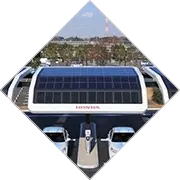
Urban clean energy systems merging robust structural canopies with high-efficiency PV generation and automated EV charging station integration.
The global commercial and industrial (C&I) sectors are experiencing structural energy shifts. Grid instability, skyrocketing peak-demand tariffs, and strict corporate decarbonization mandates are pushing enterprises toward localized Battery Energy Storage Systems (BESS). For heavy industries, retail complexes, and data centers, energy storage is no longer just an emergency backup plan; it is an active financial asset.
Modern C&I storage relies on maximizing the Levelized Cost of Storage (LCOS). By deploying high-voltage battery racks connected to smart Energy Management Systems (EMS), facilities can perform peak-shaving, load-leveling, and seamless transition to off-grid operations during voltage drops. The primary technological imperative is high round-trip efficiency (RTE) and ultra-low thermal dissipation, ensuring that stored energy is not lost to degradation.
As a leading battery power storage manufacturer, Elemro Energy develops hardware and software platforms that integrate into existing power grids. We focus on low-impedance connections, high lifecycle reliability, and integrated safety systems to prevent thermal runaway. This keeps industrial lines running smoothly and cuts demand charges by up to 40%.
The technical trajectory of stationary energy storage has pivoted decisively toward Lithium Iron Phosphate (LiFePO4) chemistries. Compared to NMC (Nickel Manganese Cobalt) alternatives, LiFePO4 offers unmatched safety profiles, zero thermal runaway risk under normal operating conditions, and a lifespan exceeding 6,000 charge cycles at 80% Depth of Discharge (DoD).
Concurrently, battery architectures are transitioning from traditional low-voltage (48V) parallel setups to High-Voltage (HV) stacked configurations. Elevating system operating voltage (ranging from 200V DC up to 1000V DC) lowers current requirements. This design reduces resistive losses (I²R losses) along conductors, slashes system heating, and allows for thinner, more cost-effective cabling.
Elemro Energy’s technology roadmap integrates these high-voltage stackable designs with smart Battery Management Systems (BMS). Our BMS monitors cell-level parameters, including voltage balancing, internal resistance, and real-time temperatures. This helps prevent localized degradation and ensures balanced state-of-charge (SoC) profiles across the entire system.
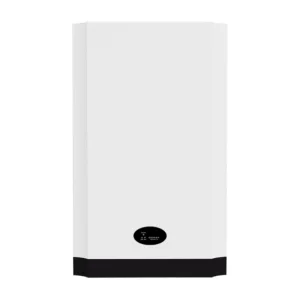
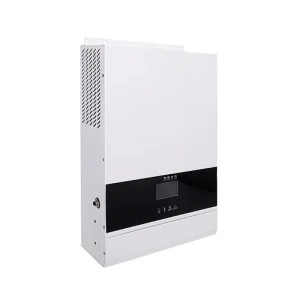
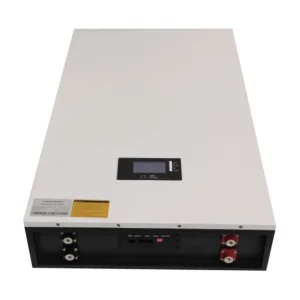
Premium energy configurations featuring high-efficiency conversion parameters, custom modular enclosures, and advanced cell architectures.
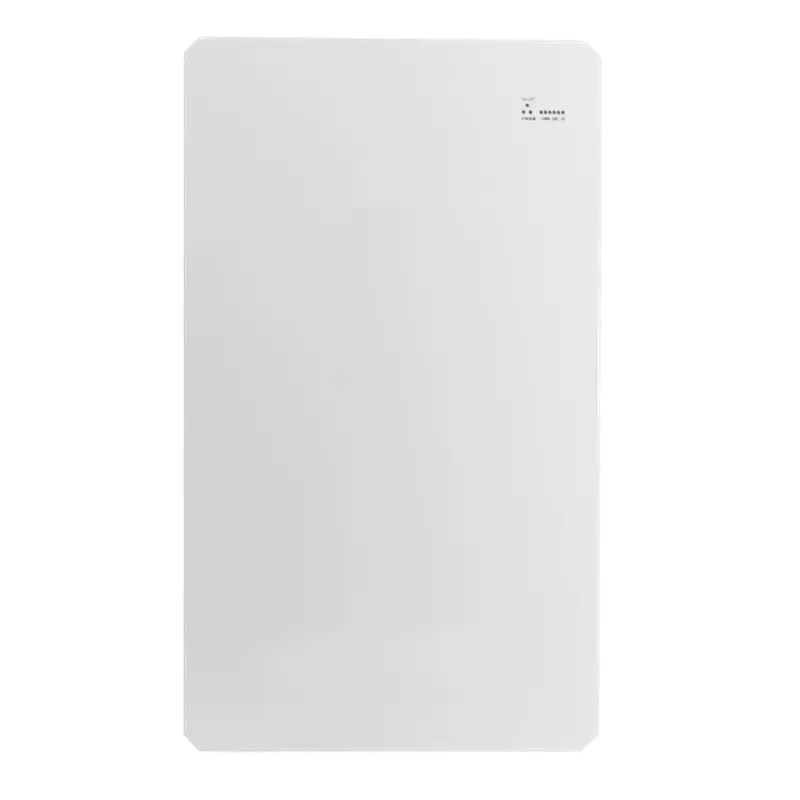
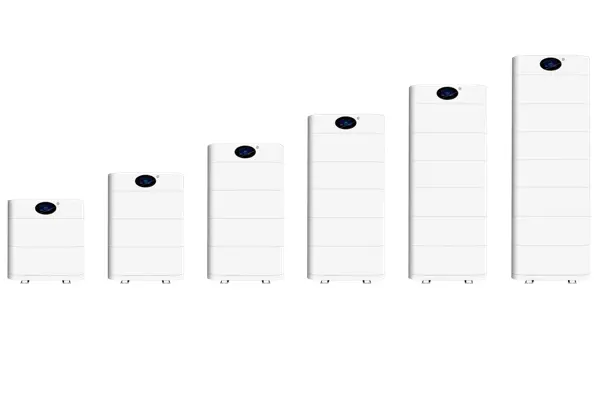
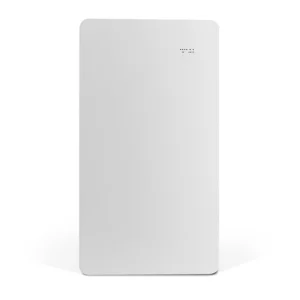
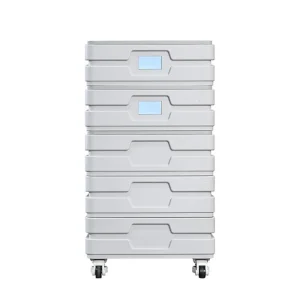
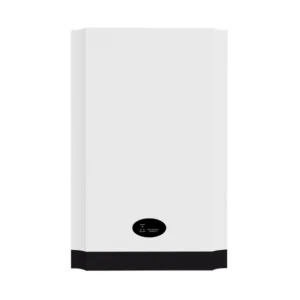
Modular low-footprint energy storage device featuring high density LiFePO4 chemistry and optimized integrated management safety protocols.
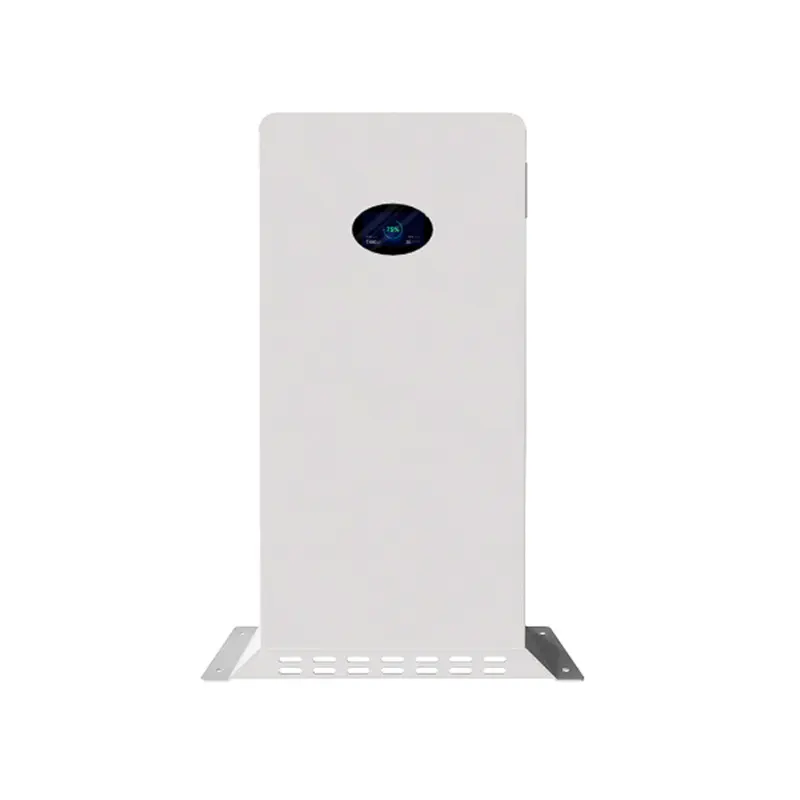
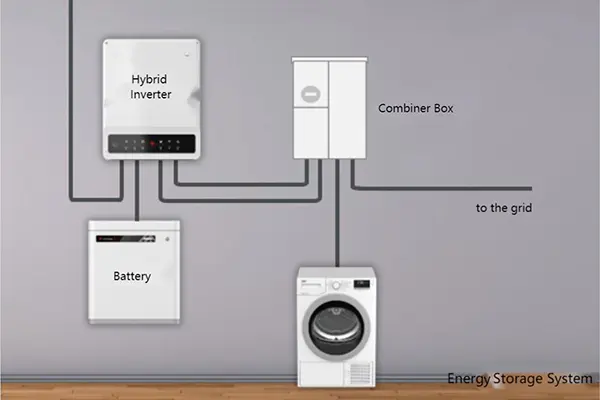
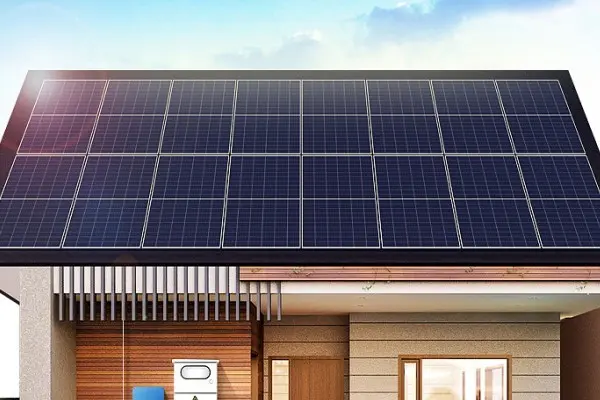
Designed for complete grid autonomy. Integrates seamlessly with residential and commercial solar panels to manage energy demand dynamically.
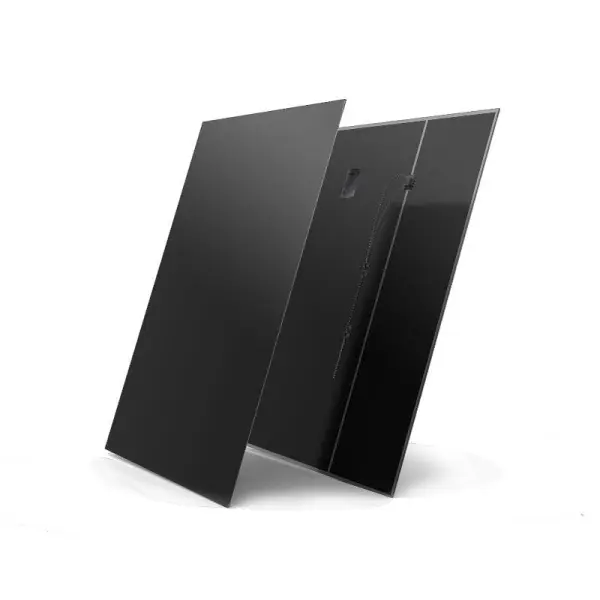
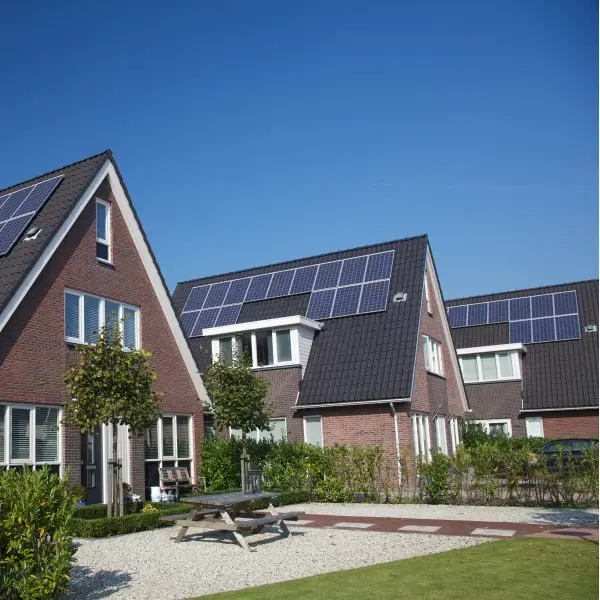
Ideal for Building Integrated Photovoltaics (BIPV). Delivers high efficiency even under low-light and high-temperature environments.
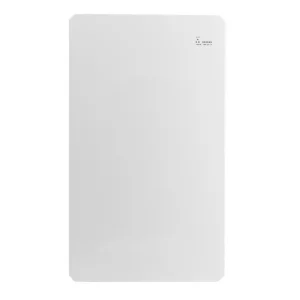
Different regions require tailored BESS configurations due to varying grid requirements. In **Europe and North America**, residential systems must handle high energy prices, feed-in tariffs, and winter reliability. In these regions, high-capacity, space-saving wall-mounted units (like the Elemro WHLV series) allow homeowners to store solar energy and bypass high peak-hour grid rates.
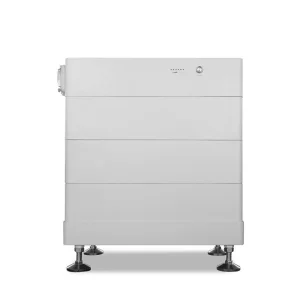
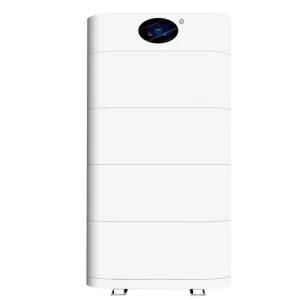
In contrast, **Southeast Asia and Africa** require rugged, off-grid microgrid setups. Remote locations with weak utility grids need robust battery storage to replace diesel generators. These setups must withstand high humidity and temperature fluctuations. Elemro's high-voltage stackable battery systems work well here, offering expandable power storage to support communities and mining operations.
In urban areas globally, C&I properties utilize BESS alongside high-speed EV charging stations. This combination helps prevent local power transformers from overloading when multiple vehicles charge at once. Our systems buffer grid demand, discharging stored power during peak vehicle connections to protect the grid and lower costs.
China remains the global hub for lithium battery development, processing over 70% of the world’s lithium-ion materials and holding key patents. Elemro Energy’s manufacturing facility in **Xiamen, China**, utilizes these supply chain advantages. Our proximity to cell suppliers and raw material refineries allows us to secure priority allocations, avoiding the supply bottlenecks that slow down western integrators.
Our production facility combines automated cell sorting, laser welding, and automated end-of-line testing. Each battery module goes through strict thermal cycling and load tests to ensure it matches nominal capacity ratings. This high level of automation keeps manufacturing costs low and ensures quality consistency across large production runs.
Since our establishment in 2019, Elemro Energy has grown rapidly by serving over 250 international customers. This strong supply chain resilience and manufacturing efficiency enabled our sales turnover to surpass $50 million USD in 2023. This solid financial base supports our ongoing R&D efforts and guarantees long-term warranty coverage for our partners.
Contact our application engineering team for detailed technical inquiries, price lists, or customization requests. We reply within 24 hours.
Stay updated with our engineers' technical reviews of battery technologies, application scenarios, and global trade events.
Navigating global utility compliance is critical for successful BESS projects. Grid operators in North America and Europe mandate strict safety standard certifications before systems can connect to the grid. In the US, compliance with UL 9540A (thermal runaway fire propagation testing) and UL 1973 (stationary battery pack safety) is essential. In Europe, systems must meet CE, IEC 62619, and local grid connection rules (such as VDE-AR-N 4105 in Germany).
Elemro Energy designs all hardware to comply with international regulations. Our production runs undergo factory acceptance testing (FAT) before dispatch. We provide full technical documentation—including safe transport test summaries (UN38.3), electrical schematics, and fire suppression compliance reports—to help local engineering partners secure fast municipal permit approvals.
We also offer localized engineering support through our regional distributor networks. From sizing calculations to post-installation troubleshooting, Elemro supports local EPC contractors. This ensures that every battery container or wall-mounted system performs efficiently, maximizing project ROI and safety.
Get answers to common engineering questions regarding battery chemistry, high-voltage configurations, and system design.
LiFePO4 (LFP) chemistry offers significant safety and operational advantages for stationary applications. Its thermal runaway temperature is around 270°C, compared to NMC's 150°C, drastically reducing fire risks. LFP batteries also deliver a longer service life, often exceeding 6,000 cycles at 80% Depth of Discharge (DoD), compared to 2,000–3,000 cycles for NMC. In addition, LFP is cobalt-free, making it more environmentally sustainable and less prone to supply chain volatility.
High-voltage (HV) systems connect battery modules in series to raise operating DC voltages up to 800V or 1000V. Parallel 48V setups require heavy cables to handle high current, causing higher resistive losses (I²R losses). HV configurations reduce current requirements for the same power output. This lowers heat generation, improves DC-to-DC conversion efficiency, and allows for smaller cables, which reduces overall balance of system (BOS) costs.
Our multi-tier safety system starts at the cell level. We use explosion-proof vents and built-in chemical stabilizers. Our digital BMS monitors voltage, current, and temperature at the cell level, allowing it to isolate faulty modules before issues escalate. For larger containerized setups, we integrate automated clean-agent fire suppression systems (such as Novec 1230 or Aerosol) that trigger automatically if thermal anomalies are detected.
Yes, Elemro systems are compatible with popular third-party hybrid inverters (including Solis, Deye, Growatt, Victron, and SMA). Our BMS supports standard CAN and RS485 communication protocols, allowing for seamless integration and real-time data sharing with external inverter management portals.
Explore our high-performance lithium energy solutions designed for scalable commercial, industrial, and residential deployments.





 Elemro Energy