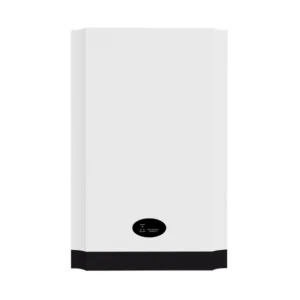
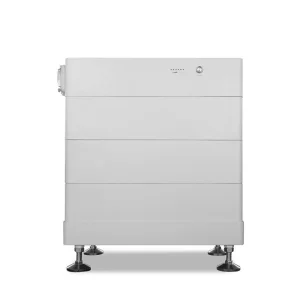
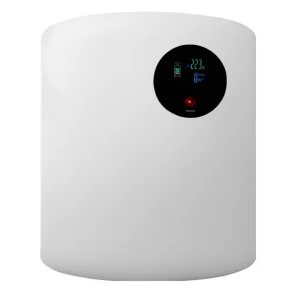
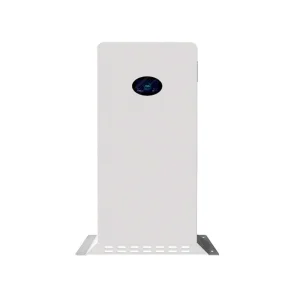
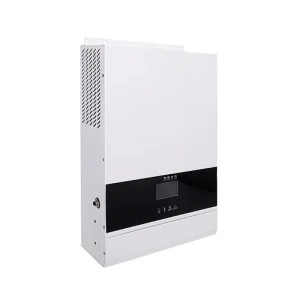
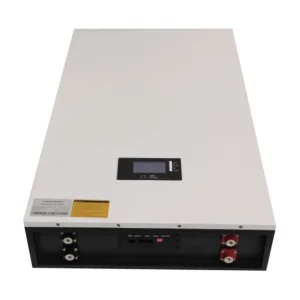
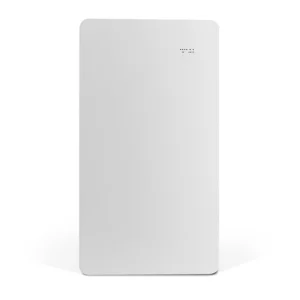
Explore our flagship lithium-ion and LFP modular battery storage systems engineered for retrofitting, solar coupling, and peak shaving applications.
Established in 2019 and headquartered in the scenic coastal city of Xiamen, China, ELEMRO Energy has rapidly emerged as a pioneer in advanced new energy storage and integrated electrical solutions. With strong foundations in R&D, state-of-the-art production systems, and an extensive global sales network, we unify technology innovation with manufacturing excellence.
Our comprehensive portfolio is trusted by over 250 key industrial, commercial, and residential clients across Europe, Southeast Asia, Africa, the Middle East, and the Americas. By continuously expanding our technical footprint, ELEMRO's annual turnover is expected to cross the threshold of 50 million USD, paving the way for scalable carbon neutrality and clean energy access worldwide.
About Us & Factory TourWe provide cleaner energy for a greener world through three pillar platforms.

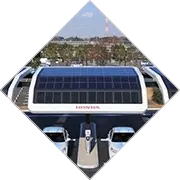
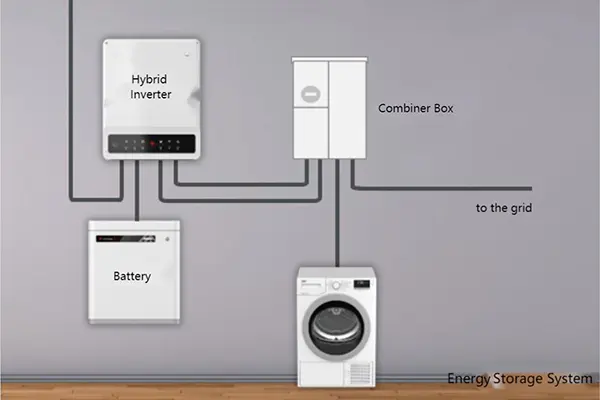
An AC coupled energy storage system (ESS) represents a paradigm shift in how localized microgrids manage energy flow. Unlike DC coupled architectures where solar photovoltaics (PV) and battery blocks feed into a single charge controller, AC coupled designs link the generation unit (solar PV) and the storage unit (batteries) via standard alternating current (AC) lines. By converting energy from solar DC to grid-compliant AC using dedicated string inverters, and using a separate bidirectional AC-to-DC battery inverter, the system achieves maximum layout resilience.
This decentralized layout is particularly advantageous for commercial, industrial, and residential retrofitting applications. Since the existing solar installation does not need to be rebuilt or modified, adding energy storage simply involves integrating the AC battery inverter to the local main distribution board. The overall system efficiency during direct daytime consumption is high, as electricity travels directly from the PV inverter to local loads without passing through batteries.
Across Europe, the Americas, and APAC, C&I facilities are facing rising demand charges, grid instability, and legislative mandates to reduce Scope 1 and Scope 2 carbon emissions. AC coupled batteries have emerged as the standard solution for existing megawatt-scale solar setups on logistics warehouses, manufacturing sites, and agricultural facilities.
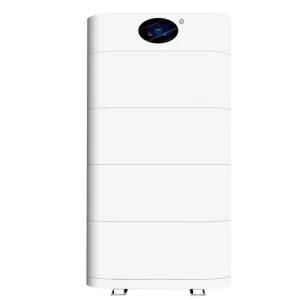
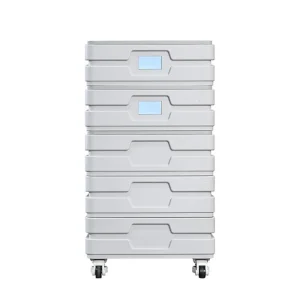
In highly regulated markets like Germany, Spain, and California, grid operators restrict clean energy injection during peak solar hours to prevent grid congestion. By implementing AC coupled systems equipped with intelligent Energy Management Systems (EMS), commercial properties can absorb solar overproduction, store it in stackable lithium batteries (such as the ELEMRO WHLV range), and discharge during peak tariff hours. This process, known as peak shaving or load shifting, directly reduces utility billing while preventing grid feed-in penalties.
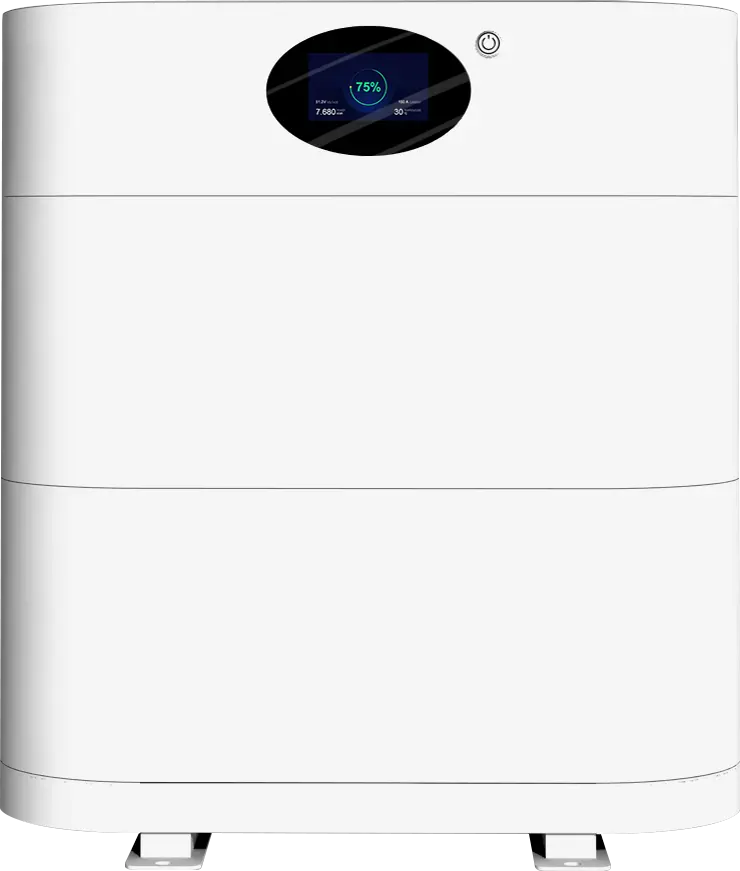
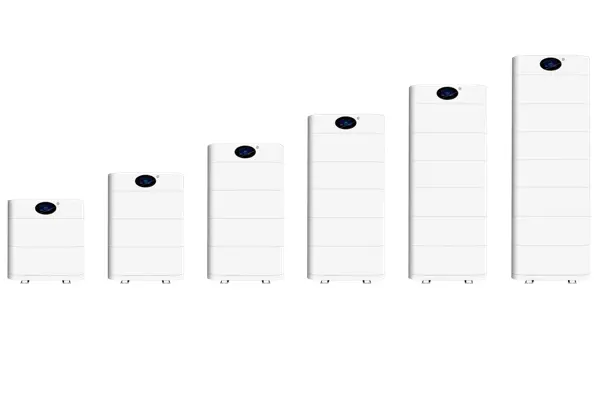
The core of ELEMRO's storage innovation is based on Lithium Iron Phosphate (LiFePO4) chemistry. LFP chemistry offers safety, high thermal runaway thresholds, and long cycle lifespans (typically exceeding 6,000 cycles at 80% Depth of Discharge). Our latest design transitions from low-voltage (48V) battery packs to stackable high-voltage configurations.
By connecting battery modules in series, we raise system voltage up to 400V–800V DC. This structure reduces current levels, minimizes thermal generation, and improves round-trip efficiency of AC-to-AC conversion to over 88%.
Every stackable rack features an integrated Battery Management System (BMS) that monitors cell voltage, temperature, and state of charge (SoC). This coordinates with cloud EMS platforms to enable predictive balancing and prevent localized degradation.
Scenario A: European Residential Retrofits
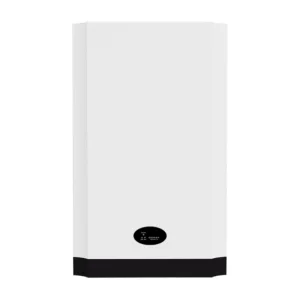
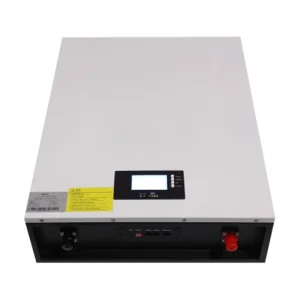
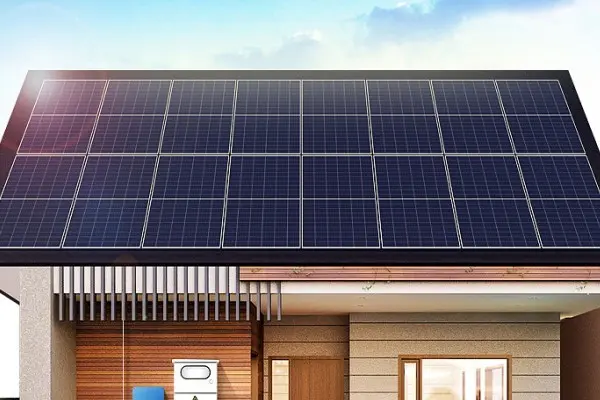
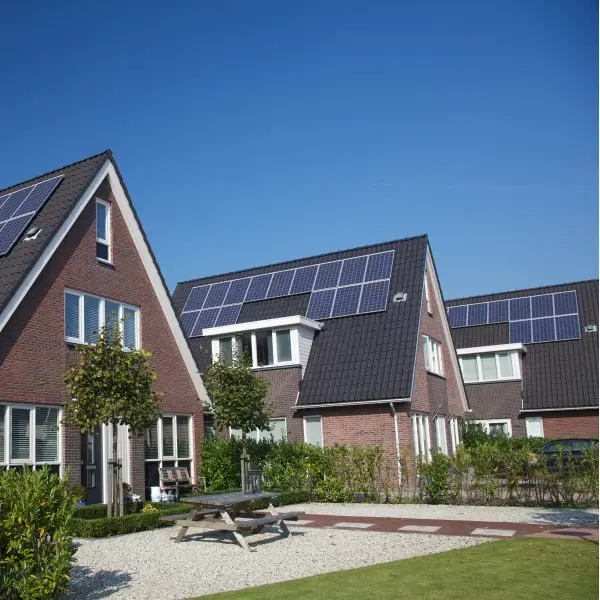
A residential client with a 10 kW rooftop solar array installed in 2018 wants to reduce energy costs. By retrofitting an ELEMRO SHELL 10.2kWh or 14.3kWh AC-coupled system, the household can store excess daytime generation. This solution does not require replacing the existing solar inverter, helping to preserve the original feed-in tariff contract where applicable.
Scenario B: BIPV Integration with CdTe Thin Film Cells
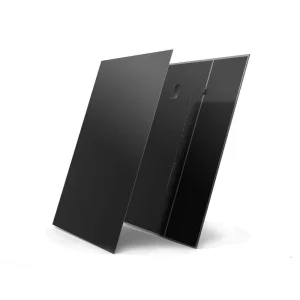
Building-Integrated Photovoltaics (BIPV) require stable energy management due to varying sunlight angles on building facades. ELEMRO's CdTe Cadmium Tellurium Thin Film Solar Cells generate power even under low-light conditions. Coupling these facades with high-voltage stackable battery units balances the building's internal power supply and helps smooth out energy demand spikes.
Discover our range of wall-mounted, stackable, and high-voltage products optimized for flexible AC-coupled integration.
Deep-dive answers to technical inquiries surrounding design, setup, and performance of AC-coupled storage plants.
Keep up to date with the latest technical developments, event invitations, and clean energy storage guides.





 Elemro Energy