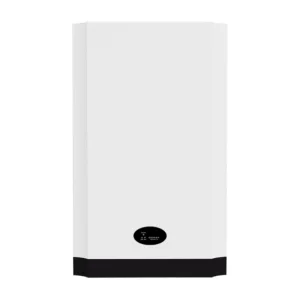
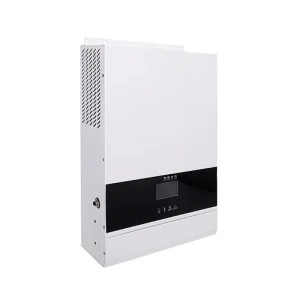
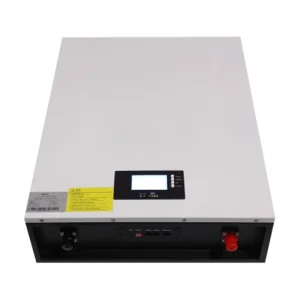
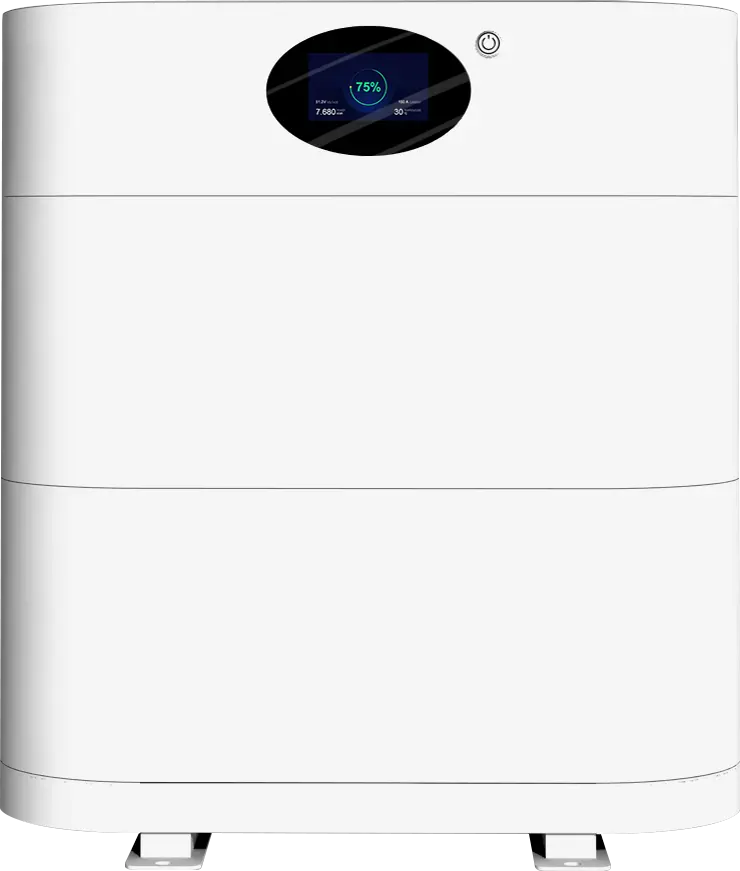
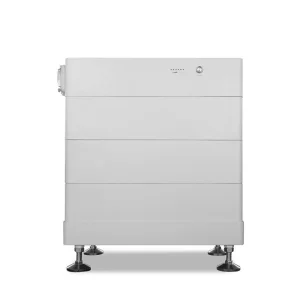
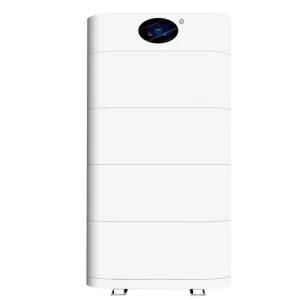
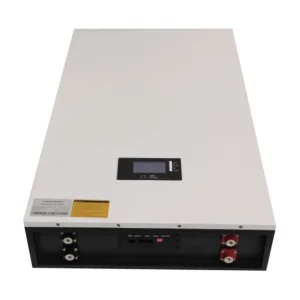
Explore Elemro Energy's signature lineup of LiFePO4 batteries, thin-film solar technologies, and smart inverters certified for global standards.
The global renewable energy landscape is transitioning at an unprecedented pace. The initial wave of clean energy focus relied on raw generation—installing utility-scale solar photovoltaic (PV) plants and wind farms. However, the inherent variability of these solar and wind assets presents severe challenges to utility grids. Under intense grid penetration, grid operators encounter the famous "duck curve," highlighting a severe mismatch between peak generation times and peak consumption periods. To address this, battery energy storage systems (ESS) have transformed from passive backup reserves to active, intelligent power hubs. Within this transformation, the AC coupled battery inverter has emerged as an essential technology for retrofit solar systems, decentralized grids, and industrial microgrids.
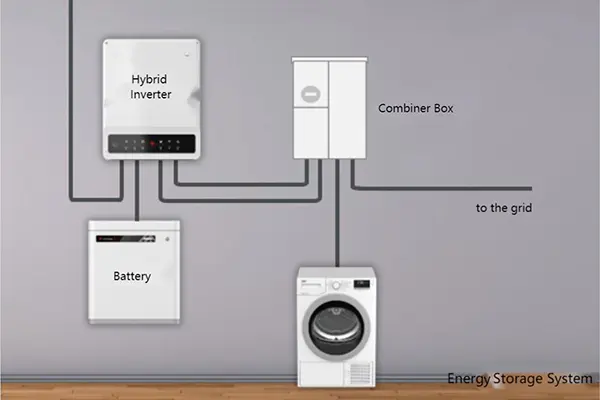
Historically, energy storage configurations were categorized into DC coupled or AC coupled architectures. As utility grids demand dynamic frequency response, load shaping, and multi-asset orchestration, AC coupling has proven to be highly versatile. By installing an AC coupled battery inverter, commercial operators and residential building systems can integrate lithium-ion energy storage direct to the standard AC distribution board, entirely independent of the pre-existing PV setup. This capability removes complex compatibility concerns associated with older string inverters, allowing developers to execute seamless retrofitting at scale.
To implement an optimized energy infrastructure, systems engineers must understand the mechanical and electrical trade-offs between AC-coupled and DC-coupled storage setups. The table below represents a core technical comparison mapping out operational efficiency, system flexibility, retrofitting simplicity, and overall microgrid balance of system (BOS) parameters.
| Parameters | AC-Coupled System Architecture | DC-Coupled System Architecture |
|---|---|---|
| Primary Coupling Point | Standard Alternating Current (AC) Distribution Bus | Direct Current (DC) Battery Link Bus |
| Retrofit Compatibility | Universal. Compatible with any pre-existing solar PV string inverter. | Complex. Requires matching with specific PV charge controllers or hybrids. |
| Round-Trip Efficiency (Solar to Load) | Slightly lower (approx 85-89%) due to double AC-DC-AC conversion. | Higher (approx 90-93%) for direct charging path from PV to battery. |
| Local Consumption Efficiency | High. Instantaneous local PV output flows straight to local AC loads. | High. Best suited for high-density charging during off-peak times. |
| System Fault Isolation | High. Failure of the PV inverter does not disrupt battery ESS operation. | Moderate. Faults in the central hybrid controller can disrupt the entire system. |
In terms of operations, when a facility exhibits high daytime energy usage that aligns directly with solar generation, AC coupling is highly efficient. The PV energy flows straight through the PV inverter onto the AC board, bypassing the battery storage loops completely. Conversely, in setups designed for grid blackouts, backup scenarios, and local peak load shaving, the AC coupled battery inverter regulates battery discharge rates, supplying power to the critical load panel at millisecond speeds. ELEMRO Energy specializes in both topologies, optimizing layouts to minimize conversion losses while maximizing overall system lifetime.
Established in 2019 and headquartered in the beautiful coastal city of Xiamen, China, ELEMRO Energy is a market-leading pioneer in new energy storage and electrical product solutions. Our core strengths unify research & development, production engineering, global sales, and turnkey project integration.
Over the years, our product portfolios have earned the trust of over 250 global clients across Europe, Southeast Asia, Africa, the Middle East, and the Americas. By continuously investing in technological innovations, ELEMRO's annual turnover grew rapidly, exceeding 50 million USD in 2023. Our commitment to green energy and engineering excellence powers sustainable grids worldwide.
The application of AC-coupled battery system topologies is expanding across diverse regional markets, driven by localized grid structures, energy pricing regulations, and microgrid requirements:
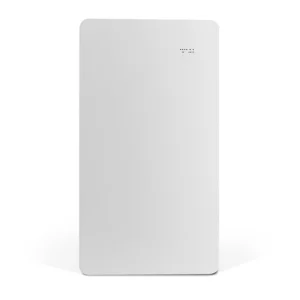
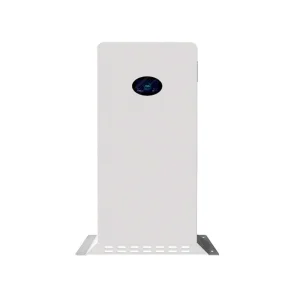
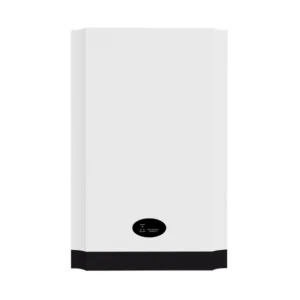
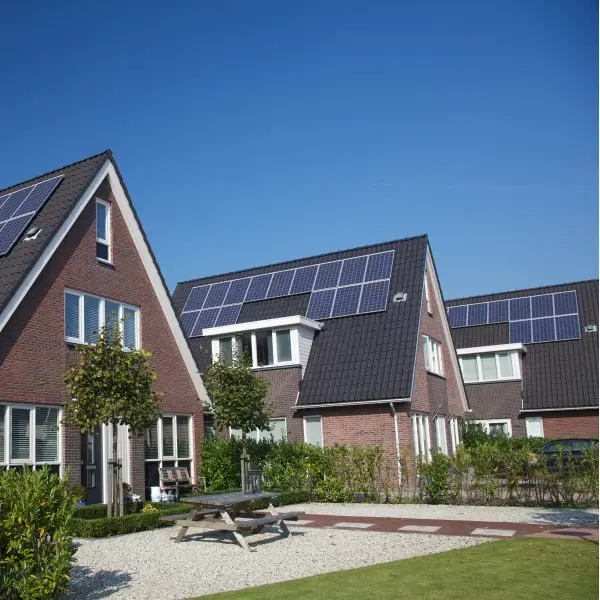
In many parts of Western Europe, solar adoption has reached maturity. Thousands of residential households operate on aging feed-in tariffs (FIT). As these high tariffs phase out, homeowners are shifting their focus to maximizing self-consumption. Because most installed PV arrays use older grid-tied string inverters, installing a residential battery system is best accomplished using an AC coupled configuration. Systems like the **Elemro WHLV 10kWh LiFePO4 Battery** combined with an AC coupled battery inverter allow immediate localized self-consumption storage. Additionally, dynamic electricity pricing models incentivize homeowners to execute peak shaving—storing energy from the grid when rates are low and discharging it during high peak price zones.
For commercial and industrial (C&I) installations in the United States and Canada, utility peak demand charges represent a significant portion of monthly utility overheads. Under net-metering structures like California's NEM 3.0, the value of exporting solar power to the utility grid has dropped sharply. C&I facilities are installing AC-coupled battery modules to capture midday solar output, storing it to power operations during high-cost late afternoon periods. During weather-induced grid blackouts, the bidirectional storage system immediately activates backup power via an isolation switch, guaranteeing uninterrupted industrial operations.
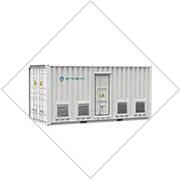
In remote island environments, mining facilities, and regions with unstable utility grids in Southeast Asia and Africa, hybrid microgrids are critical. AC coupled systems offer outstanding grid stability by facilitating frequency synchronization. When the primary grid drops, the AC-coupled inverter forms a stable local grid reference, coordinating with existing PV setups, diesel generators, and high-voltage battery storage containers to sustain steady microgrid networks.
We provide cleaner energy for a greener world through specialized engineering.

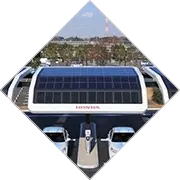
ELEMRO Energy is committed to driving innovations in battery chemistry, high-voltage architecture, and digital energy management systems (EMS). Our technological roadmap focuses on three main engineering priorities:
Lithium Iron Phosphate (LiFePO4) remains the gold standard chemistry for stationary energy storage due to its exceptional thermal stability and long cycle life. ELEMRO's WHLV and SHELL systems are engineered with high-density cells, integrating smart Battery Management Systems (BMS) that actively monitor voltage, temperature, and state of charge (SoC) down to the individual cell. Our stackable designs feature physical isolating barriers and intelligent heat dissipation tunnels, ensuring total safety and compliance with international standards.
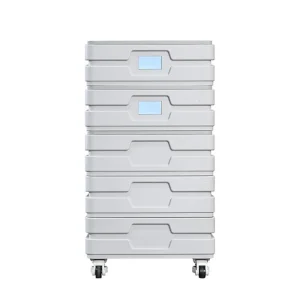
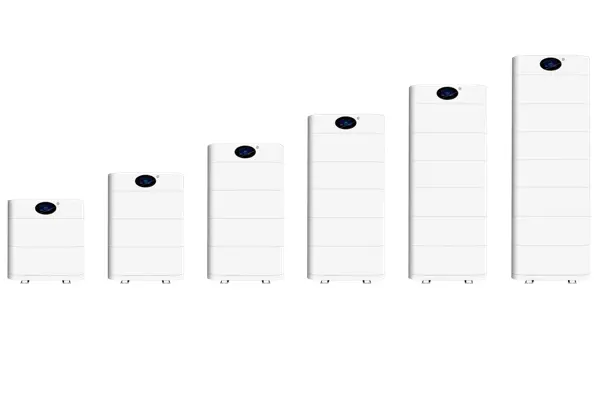
While low-voltage (48V) storage continues to be popular for residential applications, commercial and utility-scale systems are rapidly transitioning to high-voltage configurations. High-voltage energy storage systems lower current loads through the DC cabling, which reduces thermal losses and simplifies installation. Our stackable high-voltage systems allow users to expand capacities from 10.2kWh to over 100kWh by modularly stacking battery blocks, avoiding complex wiring steps.
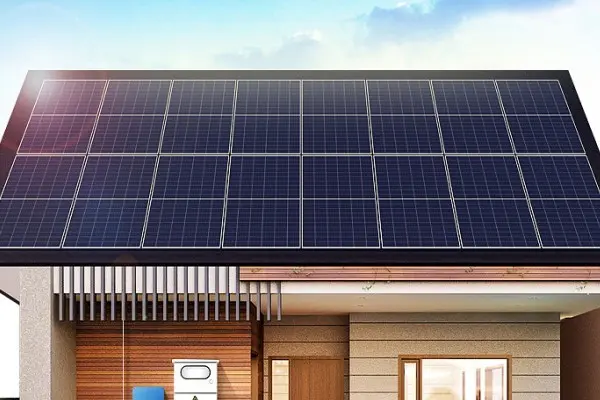
Building Integrated Photovoltaics (BIPV) represents the next frontier in urban clean energy generation. ELEMRO's CdTe thin-film panels feature excellent performance in low-light environments, low temperature coefficients, and aesthetic versatility. Integrating these thin-film solar solutions with an AC coupled storage backend enables modern high-rise buildings and facilities to function as self-sufficient microgrids.
For inquiries about our products or comprehensive pricelists, please leave your email below. Our application engineering team will contact you within 24 hours.
Explore answers to common questions about configuring, retrofitting, and scaling AC-coupled battery systems.
Yes. An AC coupled battery inverter connects directly to the facility's main AC distribution panel. It functions independently of the solar PV inverter, allowing you to add battery storage without modifying or replacing your existing PV setup. This universal compatibility makes it ideal for scaling older solar installations.
When the main grid drops, the AC coupled inverter creates a local grid environment. To prevent overcharging the battery, the inverter shifts the frequency of the local AC grid upward. This prompts the standard PV grid-tied inverter to throttle its power output or switch off, balancing generation with demand.
Our LiFePO4 battery storage lines feature up to 6000 cycles at 80% Depth of Discharge, integrated smart BMS protection, wide operating temperature thresholds, and modular designs. They provide reliable, maintenance-free operations for residential, commercial, and microgrid applications.
High-voltage battery setups (often 200V-600V+) operate at lower current levels compared to 48V models. This results in reduced heat generation, minimal energy losses across system cables, and lower installation costs. High-voltage units are highly efficient for medium to large commercial systems.
Stay updated with our latest technological analyses, event announcements, and engineering guides.
Optimize your project configurations with our high-voltage and low-voltage energy storage systems.




 Elemro Energy