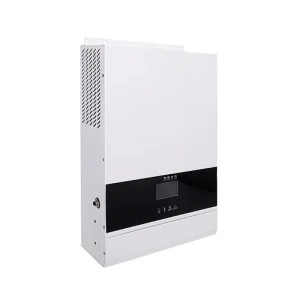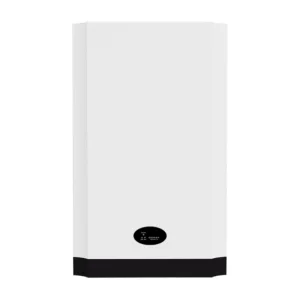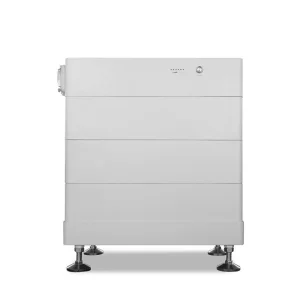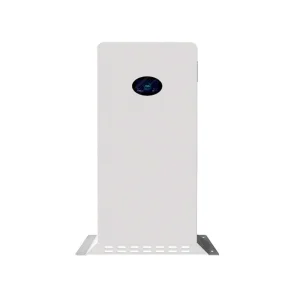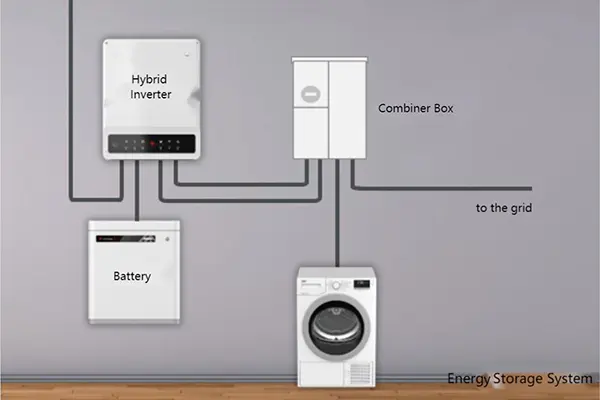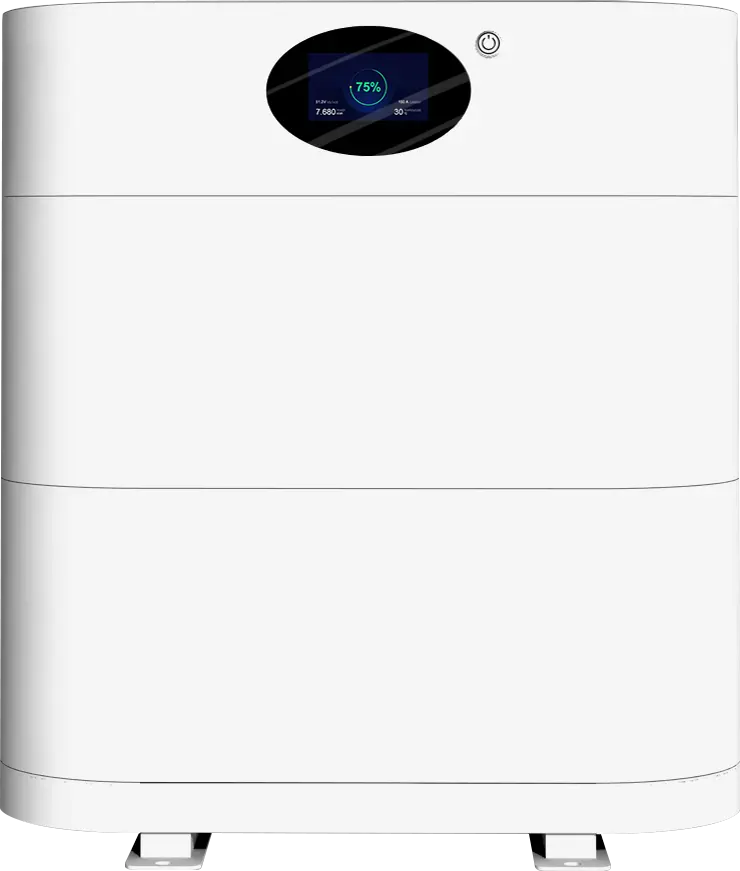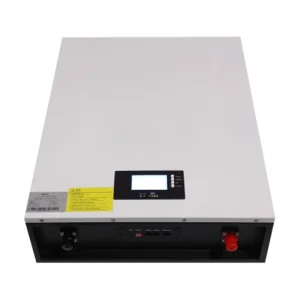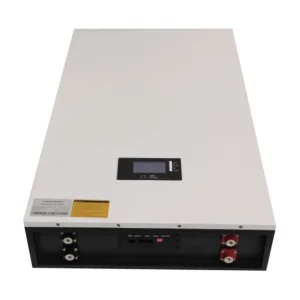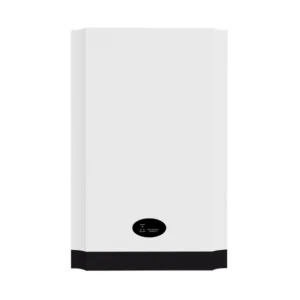
When engineering energy matrices for high-end residential estates, commercial facilities, and micro-grid operations, understanding the exact demarcation between power output (measured in kilowatts, kW) and stored energy capacity (measured in kilowatt-hours, kWh) is critical. A standard 20kW battery storage system dictates the peak continuous power delivery capable by the hybrid inverter interface or the battery's battery management system (BMS).
For industrial B2B procurement processes, pairing a 20kW power rate requires meticulous matching with the overall capacity:
Elemro Energy employs advanced LFP (Lithium Iron Phosphate, LiFePO4) cell topologies. LFP remains the preferred choice over NMC (Nickel Manganese Cobalt) due to structural integrity, thermal runaway safety at higher C-rates, and lower total cost of ownership (TCO) across a lifetime exceeding 6,000 deep discharge cycles.
Chemistry: Tier-1 LiFePO4 (Lithium Iron Phosphate)
Nominal Voltages: Low Voltage (48V/51.2V) & High Voltage Stacked (200V-800V)
Communication Protocols: CANBUS, RS485, Modbus TCP/IP
Round Trip Efficiency: >95.4% at standard 0.5C discharge
Thermal System: Air-cooled passive/forced convection
Headquartered in the global electronics and new energy hub of Xiamen, China, Elemro Energy leverages a highly integrated vertical supply chain. China control of approximately 75% of global lithium refining capacity and over 80% of cell module manufacturing translates directly to strategic advantages for B2B distributors and engineering firms worldwide.
Our industrial advantage is constructed upon three core pillars:
1. Scale-Driven Raw Material Sourcing: By cooperating directly with Tier-1 lithium miners and precursor refining facilities, we bypass third-party trading entities, insulating our partners from wild raw material cost spikes.
2. Advanced Laser Welding and Automatic Assembly: Modular stackable battery construction requires perfect laser connection of cell tabs. Elemro's high-precision manufacturing lines reduce internal resistance at interconnect points, ensuring consistent balancing throughout the pack life.
3. Seamless OEM/ODM Optimization: Our design teams quickly modify form factors, integration ports, and BMS firmwares to match localized requirements, reducing product developmental cycles from months to weeks.
Lead Time Consistency: 4-6 weeks from PO confirmation
Cell Grade Selection: 100% Brand New Grade-A cells from EVE/CATL
Traceability: QR code barcode tracking from lithium ingot to completed modular rack assembly

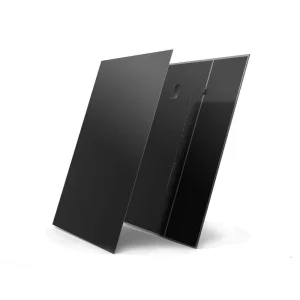
High-transparency, optimized BIPV architectural solutions configured to integrate with structural building envelopes.
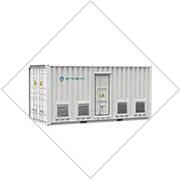
Megawatt-scale thermodynamic regulated container configurations engineered for heavy utility and grid stabilization operations.

Pre-engineered structures designed to maximize localized distributed solar energy harvesting and integration with EV charging terminals.
Established in 2019 and headquartered in the high-tech logistics zone of Xiamen, China, Elemro Energy has established itself as an innovative force in the electrical and new energy storage industry. Combining advanced internal R&D with modern assembly lines and global distribution pipelines, we deliver integrated clean energy solutions designed for longevity. Our international reach encompasses over 250 enterprise clients in Europe, Southeast Asia, Africa, the Middle East, and the Americas. Elemro's continuous investment in advanced BMS safety engineering has driven rapid annual revenue growth, with turnover exceeding 50 million USD in 2023.
Entering international commercial battery storage markets requires rigid adherence to dynamic grid codes and system safety standardizations. A 20kW battery storage deployment cannot function in isolation; it must interact harmoniously with localized utility grids and fire safety requirements.
Elemro Energy products undergo tests to secure international certificates required by municipal safety departments and power suppliers:
Furthermore, our advanced software profiles match localized inverter dynamics. Whether interfacing with a Victron, SMA, Solis, or Growatt inverter, Elemro's BMS units come pre-coded with CAN/RS485 communication configuration templates, avoiding integration headaches during deployment.
✔ UN 38.3: Safety compliance for global sea and air cargo transportation.
✔ IEC 62619: Safe operation under stress conditions.
✔ IP65 Rating: Enclosure standards for reliable outdoor installations.
For engineering companies, utilities, and EPC contractors, purchasing large-scale battery storage requires careful due diligence. Evaluating an OEM manufacturer extends beyond simply comparing prices per kWh. To guarantee a high return on investment (ROI), B2B buyers must prioritize critical engineering and service parameters:
Elemro addresses these priorities by providing clear engineering documentation, pre-delivery capacity testing, and online technical support for project engineers worldwide.
Cell Balancing: Continuous passive cell balancing.
Dual-Processor Protection: Independent monitoring of voltage, current, and temperature.
Real-time Diagnostics: Remote firmware updates via cloud gateway integrations.
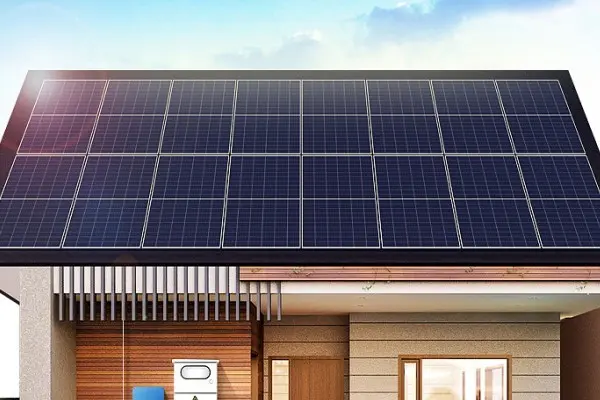
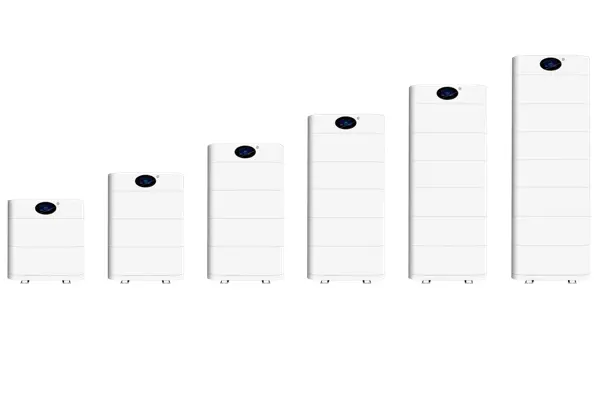
Ensuring absolute energy independence for isolated estates by matching a 20kW output phase with high-capacity stackable modules, integrating with residential PV arrays to maintain operations during grid instability.
Mitigate high commercial utility charges by storing energy during low-cost night periods and discharging during peak operational windows, providing dynamic return on investment profiles.
Buffer localized utility grids from severe current spikes by storing energy in 20kW setups, discharging when fast chargers activate to prevent demand charge penalties.
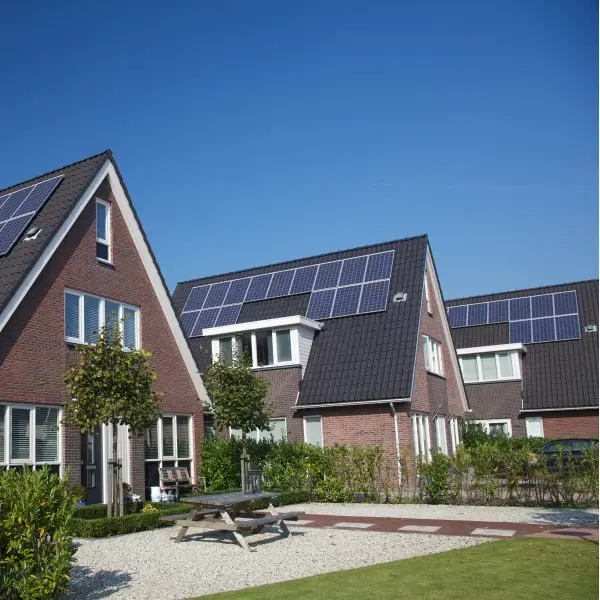
The energy storage industry is undergoing rapid technical evolution. Next-generation 20kW battery storage units are transitioning from simple passive backup reserves to active assets integrated with local energy networks.
Key technological developments include:
System Efficiencies: Reaching up to 98.2% through advanced SiC semiconductor switches in high-voltage hybrid inverters.
Standardized V2G Protocols: Ready to interface with electric vehicle charging systems.
Sustainable Materials: Adopting cobalt-free battery chemistries for improved environmental compliance.





 Elemro Energy