Engineered for high thermal safety, cyclic longevity, and smart energy grid integration.
A comprehensive examination of 1MW Battery Storage architecture, grid dynamics, and technological pathways.
The industrial battery storage ecosystem is transitioning from air-cooled 100kW units to highly integrated 1MW / 2MWh (and higher) liquid-cooled containers. In modern large-scale energy deployments, the benchmark design features Lithium Iron Phosphate (LiFePO4) cell chemistry, operating at 1000V or 1500V DC system limits. By utilizing high-capacity cells (such as 280Ah and 306Ah, transitioning rapidly to 314Ah+), utility-scale battery pack layouts achieve unmatched spatial density.
A core driver in this roadmap is the shift from conventional Air Cooling to Active Liquid Cooling. Liquid-cooling loops circulate coolant directly through micro-channel heat exchange plates configured between cell rows. This design reduces internal cell temperature variance to less than 2°C, significantly minimizing capacity degradation and reducing the risk of localized thermal runaway.
1MW Battery Storage systems serve as the backbone of decentralized energy transition networks. Their primary application domains include:
Established in 2019 and headquartered in the green energy hub of Xiamen, China, ELEMRO Energy has positioned itself as an industry leader in engineering advanced electrical integration and turnkey battery storage systems. Unifying expert R&D, smart high-throughput manufacturing, and international trade channels, ELEMRO provides customized and reliable clean energy solutions to clients across the globe.
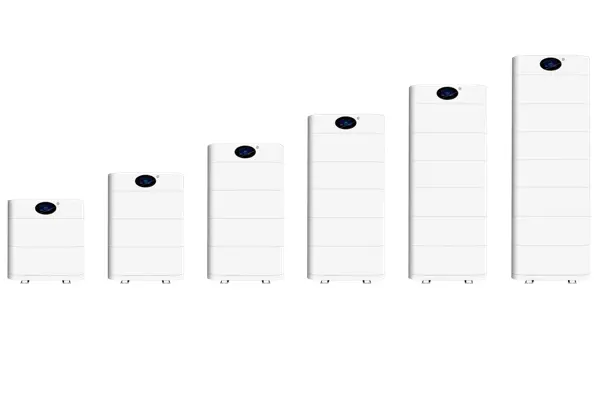
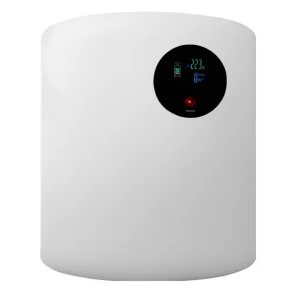
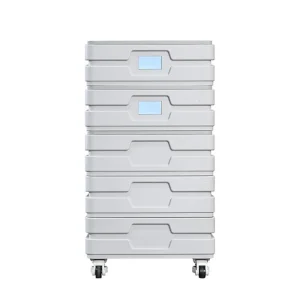
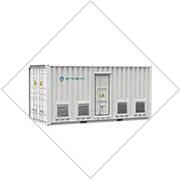
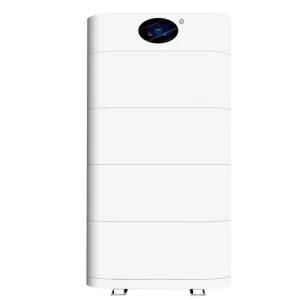
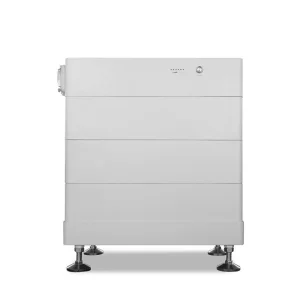
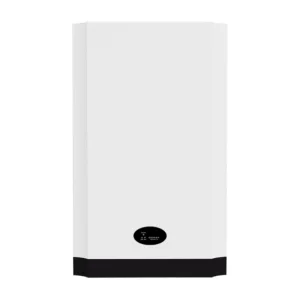
Our products span residential low-voltage stackable battery packs, modular high-voltage industrial battery racks, and complete 20ft containerized 1MW/2MWh BESS enclosures. Catering to over 250 verified global enterprises across Europe, Southeast Asia, the Middle East, Africa, and the Americas, ELEMRO's annual turnover is expected to exceed $50 million USD, maintaining a highly accelerated year-on-year growth trajectory.
Learn More About ELEMROWe provide cleaner, resilient, and highly efficient energy solutions for a greener world.

Purchasing high-capacity systems from Chinese factories delivers substantial cost and engineering advantages. ELEMRO's manufacturing processes employ Industry 4.0 automated production guidelines. Automation starts at the cell sorting stage, where incoming LiFePO4 cells are matched for internal resistance and voltage characteristics down to single-digit millivolt tolerances.
The assembly utilizes state-of-the-art laser welding for cell-to-busbar connections, minimizing joint electrical resistance. The testing infrastructure integrates multi-cycle high-current aging tests and automated thermal imaging to identify anomalies before the rack is enclosed. Working within China's supply chain ecosystem ensures ELEMRO is backed by prompt component logistics, raw mineral availability (LFP precursor materials), and robust capacity scaling.
Safety is a critical element in large BESS installations. Industrial systems must comply with rigorous regional certifications before integration into national power grids. ELEMRO ensures all modules and containers meet high-level standards:
Furthermore, our systems support local grid codes (such as IEEE 1547 and regional European grid interconnection guidelines) to ensure seamless, bi-directional energy feed-in without disruption to grid stability.
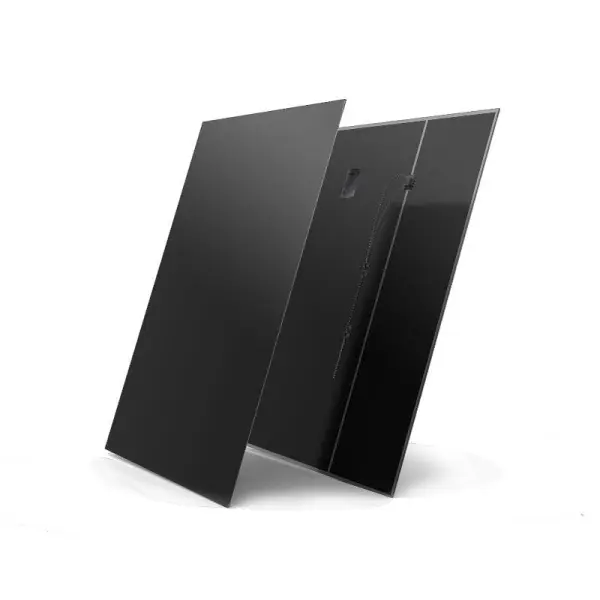
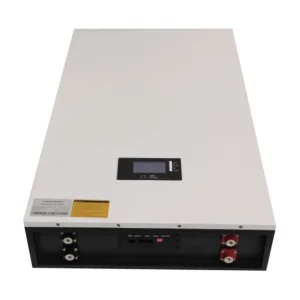
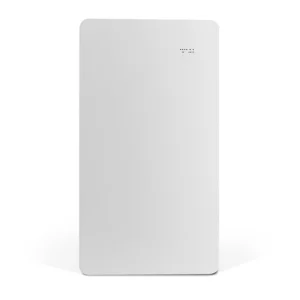
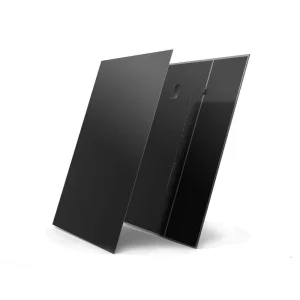
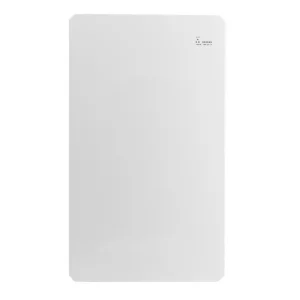
A handpicked selection of our top-rated residential, commercial, and thin-film solar components.
Procurement directors evaluating 1MW battery storage technologies must look beyond the initial capital expenditure (CAPEX) to calculate the lifetime Levelized Cost of Storage (LCOS). Operating expenditure (OPEX) is heavily influenced by factors such as the energy consumed by internal cooling loops (often dynamic auxiliary load demands) and maintenance.
Key parameters to prioritize in the procurement specification matrix:
Technical answers to critical integration, financial, and mechanical questions.
Typically, a 1MW / 2MWh battery storage system is housed in a standard 20-foot ISO container. This container layout integrates the LiFePO4 battery racks, the active liquid-cooling unit, the internal aerosol fire suppression system, and the primary battery management system (BMS) controls. Higher density variations can scale up to 3.4MWh or more in the same footprint using newer high-density cells.
Liquid cooling features a heat capacity that is roughly 4 times higher than that of ambient air. It maintains cell temperatures uniformly throughout the cabinet, keeping variance under 2°C. This prevents thermal degradation imbalances, limits localized aging of cells, and significantly lowers auxiliary energy consumption (parasitic load) by up to 20-30% under peak charge/discharge phases.
Modern high-voltage BMS systems are designed with a three-tier hierarchical safety layout: cell level (BMU), rack level (CBMS), and system level (SBMS). The system continuously reads cell voltages, temperatures, and insulation resistance. If deviations cross pre-set thresholds, the system triggers warning alarms, initiates isolators, or activates emergency shut-offs before thermal events can escalate.
In North America, the system must meet UL 9540 for integration and complete UL 9540A thermal runaway safety reports, alongside compliance with local grid standard IEEE 1547. For Europe, primary requirements include CE marking, compliance with low voltage directive IEC/EN 62619, electromagnetic compatibility (EMC) standards, and specific grid codes such as EN 50549.
Keep up to date with deep technical breakdowns and new product releases from our engineering division.
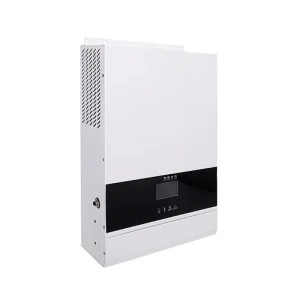
Premium auxiliary system components to support your project configuration.





 Elemro Energy