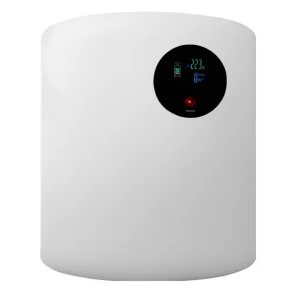
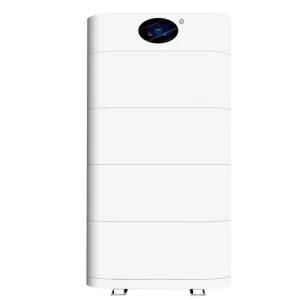
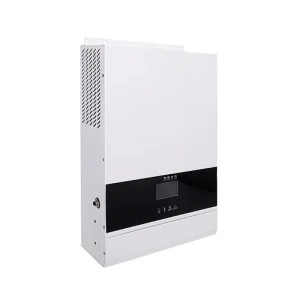
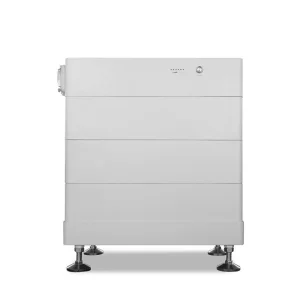
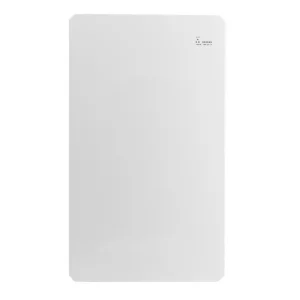
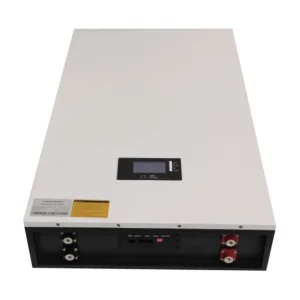
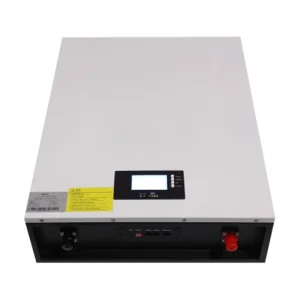
Explore our high-performance energy storage solutions, certified to match international safety standards and engineered for long-term grid independence.
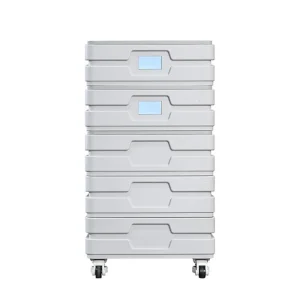
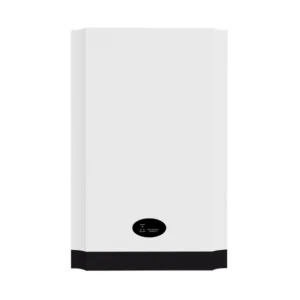
A comprehensive analysis of system topologies, chemistry selections, dynamic tariff matching, and modern grid compatibility.
A 10kW solar system paired with battery storage represents the sweet spot for modern residential microgrids and light commercial scenarios. By bridging the gap between small-scale micro-inverters and massive commercial systems, the 10kW specification offers enough output threshold to power major household appliances—including heat pumps, central HVAC systems, and electric vehicle (EV) fast chargers—simultaneously without demanding complex three-phase industrial transformer upgrades in many regions.
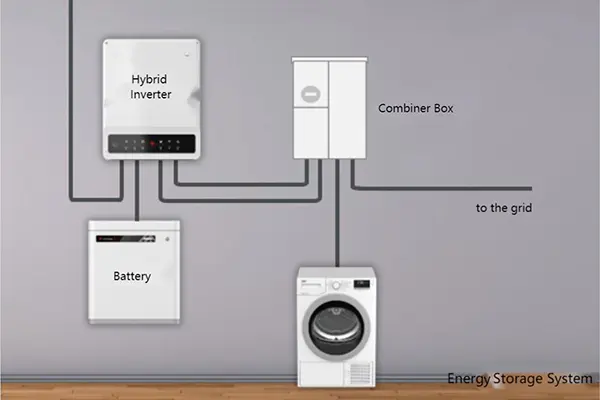
Historically, solar PV configurations functioned on simple net-metering schemes. However, grid congestion, dynamic time-of-use (ToU) tariffs, and zero-export regulations require a structural pivot. By deploying high-voltage and low-voltage LiFePO4 battery banks (ranging from 5kWh up to 14.3kWh per stack), energy generated during peak solar insulation is no longer dumped back into a saturated utility network for minimal compensation. Instead, the storage system functions as a digital dynamic firewall, storing excess electrons to feed the household or commercial load during high-tariff evening windows.
Designed to comply with UL9540A and NEC 2020 rapid shutdown guidelines. 10kW hybrid configurations output standard 120V/240V split-phase power, supporting dual-bus main service panels and enabling seamless microgrid islanding within 10 milliseconds of grid failure.
Tailored for high grid volatility and dynamic pricing markets (e.g., Germany, UK). Integrating 10kW solar loops with stackable high-voltage LiFePO4 systems allows direct digital interface with dynamic tariff brokers for optimal cost-offset scheduling.
Ideal for regions subject to load-shedding and high-humidity marine conditions. Highly resilient, IP65-rated battery designs paired with smart energy management software protect sensitive local hardware against brownouts and frequency drops.
Modern solar battery storage has standardized around Lithium Iron Phosphate (LiFePO4) due to its superior cycle life, high thermal stability, and non-toxic profile. Compared to traditional Nickel Manganese Cobalt (NMC) chemistries, LiFePO4 cells are virtually immune to thermal runaway, making them suitable for indoor installations and near-living-space setups.
Traditional setups like the Elemro WHLV 48V200Ah utilize heavy copper busbars to parallel multiple battery packs. While highly safe and straightforward to configure, they require thick cabling to handle high current draws.
Next-gen design stacks cells in series, raising the system bus voltage to 200V-400V. This drastically reduces DC-side current losses, increases overall round-trip efficiency (RTE) to over 95%, and simplifies installation with plug-and-play modules.
Intelligent control boards are capable of sub-cycle response times. These smart systems monitor grid frequencies and dynamically switch output phases to support local inductive start currents without tripping protection relays.
Established in 2019 and headquartered in the high-tech industrial hub of Xiamen, China, Elemro Energy has grown rapidly to become a market leader in the new energy industry. By unifying R&D, advanced automated manufacturing, and a global logistics network, Elemro ensures uninterrupted production cycles even during globally strained supply chain periods. Elemro's annual turnover is expected to exceed 50 million USD, serving more than 250 industrial, commercial, and residential customers in Europe, Southeast Asia, Africa, the Middle East, and the Americas.
Operating in close proximity to the world’s major raw lithium refining zones and battery cell manufacturers, Elemro secures top-grade A-level LiFePO4 cells directly from source suppliers. This proximity minimizes raw material transit costs and allows for immediate quality control feedback loops, ensuring that products like the Elemro SHELL series are shipped with consistent performance metrics across every batch.
Established
Global Clients
Turnover (23E)
We provide cleaner energy for a greener world through diverse technology tracks.

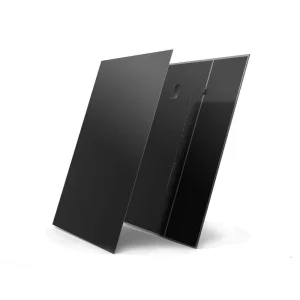
High-transmittance tempered solar glass optimized for building-integrated photovoltaics (BIPV) and high-efficiency utility modules.
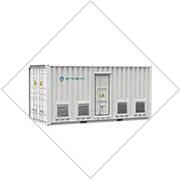
Utility-scale megawatt container systems for industrial peak shaving, grid ancillary services, and temporary power grids.
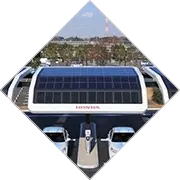
Integrated structures designed to turn parking spaces into power generators, supporting bidirectional clean vehicle charging.
Ensuring seamless connection to any grid structure worldwide with comprehensive certifications.
Connecting a 10kW solar system with batteries to a national grid requires strict adherence to local grid-tied rules. Elemro's smart systems are pre-programmed with code configurations representing standards such as IEEE 1547 (North America), G99 (UK), CEI 0-21 (Italy), and VDE-AR-N 4105 (Germany). This limits voltage swings and controls harmonic distortion at the point of common coupling (PCC).
Through partnerships with localized distribution networks, Elemro provides engineering design reviews, local commissioning support, and step-by-step documentation required by municipal utilities for fast-track permit approvals.
Standardized safety certificates represent the core of Elemro’s manufacturing mission. Our entire battery catalog holds certifications under major international regimes:
Expert answers to the most common queries regarding 10kW hybrid solar and battery installations.
Stay updated with our latest technology disclosures, trade exhibitions, and guides to home energy systems.


Need dynamic pricing estimates, local regulatory support assessments, or custom lithium configurations? Leave your details below for a comprehensive technical proposal within 24 hours.





Premium systems engineered for localized microgrids, commercial setups, and building integrated solar structures.
 Elemro Energy