China has rapidly emerged as a leader in Energy Storage Systems, attracting global buyers. With innovations in technology and manufacturing, the market is thriving. According to Dr. Mei Zhang, a prominent expert in energy solutions, "China is paving the way for a sustainable energy future through advanced energy storage technologies."
Energy Storage Systems play a critical role in enhancing grid stability and renewable energy integration. China's investments in this sector are impressive. The country has taken significant strides in developing lithium-ion batteries and other storage technologies. However, challenges remain. The need for standardization and safety regulations is growing.
While China offers advanced solutions, international buyers must do their due diligence. Understanding local market dynamics is essential. Collaboration with local manufacturers can yield better results. The landscape of Energy Storage Systems in China is ever-changing, requiring continuous assessment and adaptation.
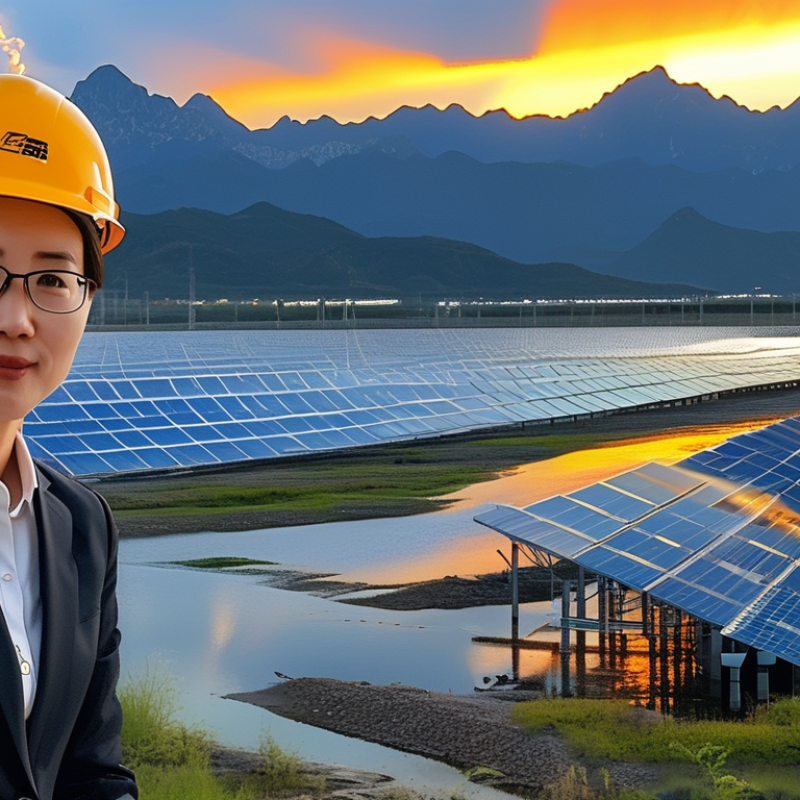
China has emerged as a leader in energy storage technologies, carving a significant niche in the global market. As the demand for renewable energy sources grows, so does the need for efficient storage solutions. Historically, China focused on lithium-ion batteries, but now it’s diversifying into various innovative technologies.
The development of flow batteries offers a compelling alternative. These systems can provide longer discharge times and greater scalability. They are particularly suitable for large-scale energy applications. Solid-state batteries are gaining traction as well, promising increased energy density and improved safety.
However, challenges remain. Many technologies are still in their infancy and require further optimization. Cost-effectiveness is a major concern, especially for broader adoption. While China leads in production capacity, continuous improvements and research investments are vital for sustainable growth. The landscape of energy storage in China is dynamic, and it’s essential to remain adaptable and attentive to emerging trends and challenges.
| Storage Technology | Energy Density (Wh/kg) | Cycle Life | Efficiency (%) | Typical Applications |
|---|---|---|---|---|
| Lithium-ion | 150-250 | 500-2000 | 90-95 | Electric vehicles, grid storage |
| Vanadium Redox Flow | 20-30 | 5000+ | 70-85 | Renewable energy integration |
| Sodium-sulfur | 100-150 | 2000-4000 | 75-80 | Large-scale storage, grid applications |
| Lead-acid | 30-40 | 300-800 | 70-80 | Backup power, small-scale applications |
| Flywheel | 20-70 | 15,000+ | 90-95 | Frequency regulation, short-term energy needs |
China's energy storage industry is rapidly evolving. Recent reports indicate that the market reached over 13.6 gigawatt-hours (GWh) in 2022, reflecting a massive growth of 134% from the previous year. This surge is largely driven by the increasing demand for renewable energy integration and grid reliability. Innovative technologies are at the forefront, enabling enhanced performance and sustainability.
Key players in China's energy storage sector are investing heavily in research and development. Companies are exploring lithium-ion batteries as a primary solution due to their efficiency and capacity. Reports suggest that energy density in these batteries is expected to increase by 15% over the next three years. However, challenges remain. Battery recycling and end-of-life management are critical issues that require immediate attention.
Moreover, the market faces stiff competition and regulatory hurdles. Some companies struggle to scale operations effectively. This can lead to inconsistent product performance and reliability concerns. Addressing these gaps will be crucial for fostering trust among global buyers. As innovations continue, it’s essential to balance growth with oversight and sustainability in this dynamic industry.
China has emerged as a leader in energy storage solutions, especially with lithium-ion and flow batteries. Each type has its unique advantages and challenges. Lithium-ion batteries dominate the market due to their energy density and efficiency. They are widely used for applications like electric vehicles and portable electronics. However, they face issues such as thermal runaway and limited lifespan, which need ongoing improvements.
Flow batteries, on the other hand, offer distinct benefits. They excel in renewable energy storage, providing longer cycle life and ease of scaling up. Their design allows for more flexible energy storage, catering to large-scale applications. Yet, they typically have lower energy density, which can limit space-efficient deployment. This leads to a dilemma: balancing performance and sustainability in energy storage systems.
As demand for energy storage continues to rise, both battery types will play vital roles. The debate over lithium-ion versus flow technologies is ongoing. Each technology must evolve to meet changing energy needs, reflecting the complexities in energy storage strategies. Failure to adapt could lead to missed opportunities for efficiency gains.
China's energy storage market is experiencing rapid growth. Recent statistics reveal a significant upward trend in energy storage adoption among various sectors. In 2021 alone, the installed capacity of energy storage in China surged by over 30%. This increase reflects a strong push towards renewable energy integration.
Battery storage systems are a focal point. They play a crucial role in balancing supply and demand. The country aims to enhance its grid stability while reducing reliance on fossil fuels. Projections suggest that by 2030, energy storage capacity may reach up to 400 GWh. However, this ambitious goal raises questions about sustainability and resource management.
Investments are flowing into research and development. Yet, challenges remain in terms of recycling and environmental impact. As China leads in energy storage, global buyers must stay informed. Observing trends in battery technology and policy changes becomes essential. Understanding local market dynamics can help navigate this evolving landscape.
China's energy storage landscape is rapidly evolving, influenced significantly by government policies and incentives. In 2023, the Chinese government continues to push for greater energy independence and sustainability. This commitment is evident in financial incentives for energy storage projects. Local governments offer subsidies to encourage innovation and investment in this sector. Companies can benefit from tax breaks and grants designed to lower operational costs.
Regulatory frameworks have also been updated to streamline the approval processes. This means projects can move forward more quickly. However, some industry professionals express concerns about high competition and market saturation. There are challenges in maintaining quality amid the rapid expansion. While the potential for growth is immense, navigating these policies can be complex. Understanding local regulations is crucial for foreign investors.
Moreover, challenges related to energy storage technology persist. Many systems still require refinement to enhance efficiency and safety. The landscape's complexity can confuse potential global partners. For successful entry, collaboration with local experts is advisable. This collaboration can clarify policies and improve project viability. Engaging with the right stakeholders can shape a more successful outcome in China's dynamic energy storage market.
: The main types are lithium-ion and flow batteries. Each type has its advantages and challenges.
They have high energy density and efficiency, making them ideal for electric vehicles and portable devices.
They face issues like thermal runaway and limited lifespan. These problems require ongoing research and improvements.
Flow batteries provide longer cycle life and flexibility in storage. However, they have lower energy density.
Energy storage capacity may reach 400 GWh, reflecting a significant increase. Sustainability concerns arise with this growth.
The government provides subsidies, tax breaks, and grants to encourage investment in energy storage technologies.
High competition and market saturation can complicate the landscape. Understanding local regulations is essential.
As energy storage adoption grows, managing resources sustainably is critical. Environmental effects need careful consideration.
Collaborating with local experts can clarify policies and improve project viability. The landscape can be quite complex.
The article titled "Top Energy Storage Systems in China for Global Buyers?" provides a comprehensive overview of the leading energy storage technologies currently shaping the market in China. It highlights the key players and innovations driving the industry, comparing different battery types such as lithium-ion and flow batteries. With a focus on statistics, the article examines trends in energy storage adoption and future projections, demonstrating the rapid growth and potential of these systems within the Chinese market.
Additionally, the article reviews government policies and incentives that are supporting the expansion of energy storage systems in 2023, underscoring the strategic importance of this sector for the country’s energy transition. As global buyers look to invest in energy storage solutions, understanding China’s advancements and regulatory landscape will be crucial for making informed decisions.

Elemro Energy