The demand for reliable Energy Storage Solutions in China is surging. According to the China Energy Storage Alliance, the nation's energy storage capacity could reach 90 GWh by 2025. This growth is driven by a push for renewable energy integration and grid stability. As infrastructure matures, the need for efficient storage technologies intensifies.
Various Energy Storage Solutions are emerging to meet this demand. Lithium-ion batteries dominate the market, but alternatives are gaining traction. Flow batteries, for instance, offer longer cycle life and scalability. However, their commercial viability still requires assessment. Emerging technologies like solid-state batteries also present significant potential but face manufacturing challenges.
China's energy landscape poses both opportunities and obstacles. Government policies support energy storage deployment. Yet, many projects experience delays due to regulatory hurdles. Stakeholders must navigate these complexities to capitalize on market potential. Understanding the evolving ecosystem of Energy Storage Solutions will be crucial for industry players aiming to thrive in this dynamic environment.
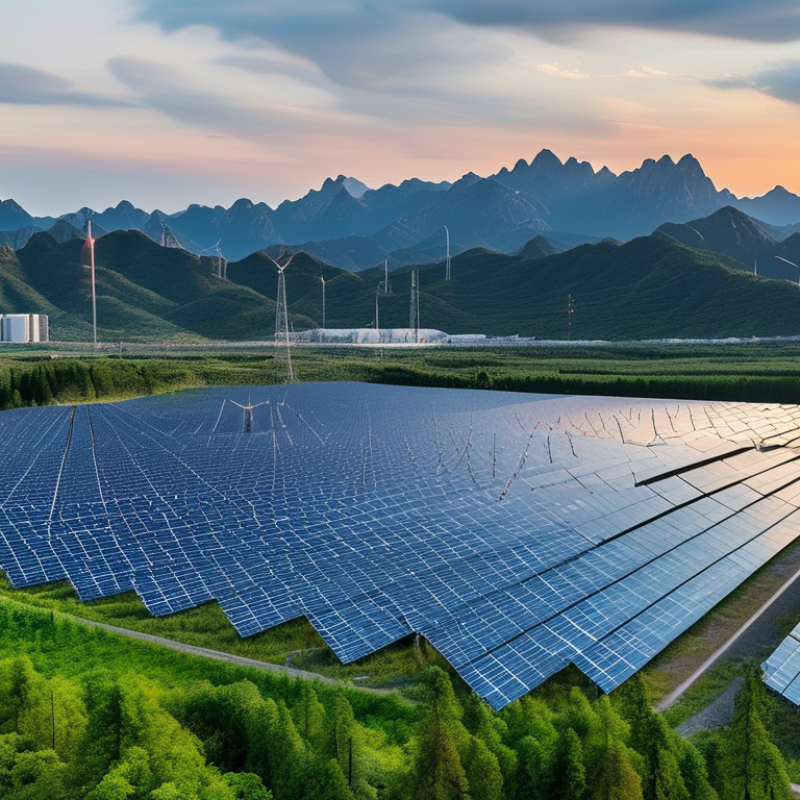
China's energy storage market is undergoing rapid development. The demand for energy storage solutions is driven by the country's urgent need for sustainable energy. The increasing reliance on renewable sources like solar and wind has created challenges. These energy sources are inconsistent, making effective storage essential for stability.
Many experts highlight the role of battery storage systems. These systems can help balance supply and demand. They enable smoother integration of renewables into the grid. More research is needed in emerging technologies such as solid-state batteries and flow batteries. These options could provide higher efficiency and longer life cycles.
Consider analyzing the specific requirements of your energy storage needs. Every situation is unique, and one-size-fits-all solutions may not work. Furthermore, regulations and incentives vary by region. Staying informed about local policies can improve strategic decisions. Understanding the market dynamics will navigate potential pitfalls in this evolving landscape.
The demand for energy storage solutions in China is rapidly increasing. By 2030, the energy storage market is projected to reach a staggering 50 billion USD, fueled by renewable energy integration and electric vehicle growth. Key technologies include lithium-ion and flow batteries, both vital for balancing energy supply and demand.
Lithium-ion batteries dominate the market, accounting for approximately 85% of global installed capacity. Their efficiency and decreasing costs have made them a preferred choice for various applications. However, challenges remain. Issues with longevity and environmental impact are prompting researchers to explore alternatives. Flow batteries, while less common, offer advantages in scalability and enhanced cycle life. They could fill the gaps where lithium batteries fall short, particularly in large-scale storage.
Data shows that China produced over 80% of the world's lithium-ion batteries in 2021. The country also leads in R&D investments across energy storage technologies. While advancements are promising, critical questions linger about materials sourcing and recycling capabilities. As the market evolves, addressing these concerns will be essential for sustainable growth in China's energy storage sector.
The Chinese government has recognized the critical role of energy storage in enhancing grid flexibility and promoting renewable energy integration. Recent reports indicate that the energy storage market in China is expected to reach a staggering 25 GW by 2025. Consequently, policies have emerged to accelerate development, such as the 14th Five-Year Plan, emphasizing innovative energy storage solutions. This highlights the government's commitment to sustainable energy transitions.
Incentives like tax reductions and subsidies have been pivotal. The National Development and Reform Commission has introduced guidelines to encourage investments in energy storage technologies. However, challenges remain regarding infrastructure readiness and technology adoption. Reports suggest that only 20% of the existing installations effectively utilize advanced energy storage systems. Continuous improvement is essential to maximize efficiency and cost-effectiveness in the sector.
Investors should keep an eye on regulatory changes to understand market potential better. Engaging with local stakeholders can provide insights into regional challenges and opportunities. Fostering collaborations among industry leaders may also drive innovation. As the market continues to grow, adaptability will be key. The current focus must shift to practical solutions that address both technological gaps and system integration issues.
China's energy storage sector faces significant challenges. The rapid growth of renewable energy sources increases demand for efficient storage solutions. However, infrastructure is lagging behind in many regions. There is a lack of standardized technology, leading to fragmentation in the market. This inconsistency hinders large-scale implementation. Without cohesive policies, companies struggle to navigate regulations and funding opportunities.
Despite these challenges, opportunities abound. The government’s commitment to carbon neutrality by 2060 drives investment. This creates a fertile ground for innovation in energy storage technologies. Companies can explore both lithium-ion batteries and emerging solutions like flow batteries. New entrants might find niches in localized storage solutions. Engaging in public-private partnerships could enhance research and commercialization efforts.
The need for skilled professionals also highlights a gap. Education programs must evolve to support the sector's growth. Collaboration between industry and academia can strengthen workforce capabilities. Addressing these shortfalls is critical for long-term success. The journey may be complex, but the potential rewards are vast.
This chart displays the projected energy storage capacity in gigawatt-hours (GWh) for different technologies in China by 2025. The data reflects anticipated demand and investment in lithium-ion batteries, flow batteries, and other emerging technologies.
China’s energy storage landscape is rapidly evolving. With the push towards renewable energy, the demand for efficient storage solutions is surging. Various technologies are vying for attention, but the race is far from settled. Understanding the intricate needs of the Chinese market is crucial.
One emerging trend is the integration of battery technology with smart grids. This synergy allows for real-time energy management. As renewables become more dynamic, storage systems must adapt swiftly. Current battery technologies may struggle to meet these evolving needs. However, hybrid systems combining different storage types show promise. These innovations are essential for balancing supply and demand.
Regulatory frameworks also play an important role. Policymakers need to create an environment that fosters innovation. Yet, regulations can also stifle progress. Therefore, stakeholders must engage in continuous dialogue. Addressing regulatory hurdles is vital for market growth. The path forward includes a mix of collaboration and competition among innovators. As the industry matures, stakeholders should anticipate shifts and stay flexible. The future of energy storage solutions in China is not just bright; it is complex and requires careful navigation.
| Storage Technology | Capacity (MWh) | Efficiency (%) | Cost per kWh ($) | Market Growth (%) |
|---|---|---|---|---|
| Lithium-ion Batteries | 500 | 90 | 300 | 20 |
| Flow Batteries | 300 | 75 | 400 | 15 |
| Lead-acid Batteries | 200 | 70 | 150 | 5 |
| Sodium-sulfur Batteries | 400 | 80 | 200 | 10 |
| Compressed Air Energy Storage | 1000 | 70 | 100 | 8 |
: Renewable energy integration and electric vehicle growth are significant factors. The market could reach 50 billion USD by 2030.
Lithium-ion batteries are the leading type, making up about 85% of global installed capacity.
Flow batteries provide scalability and longer cycle life, useful for large-scale energy storage.
Longevity and environmental impact issues are significant challenges for lithium-ion batteries.
China produced over 80% of the global lithium-ion batteries in 2021, highlighting its leading role.
The government introduced tax reductions and subsidies to encourage investments and development in energy storage.
Only about 20% of existing installations effectively utilize advanced energy storage systems, indicating room for improvement.
Addressing materials sourcing and recycling capabilities will be crucial for sustainable growth in the sector.
Monitoring regulatory changes and engaging with local stakeholders is vital for understanding market potential.
Collaboration is key for driving innovation and overcoming technological gaps in energy storage solutions.
China's energy storage market is experiencing rapid growth driven by increasing demand for renewable energy integration and grid stability. Key technologies, such as lithium-ion batteries and flow batteries, are at the forefront of energy storage solutions, enabling efficient energy management and distribution. Government policies and incentives play a crucial role in supporting the development of this sector, fostering innovation and investment.
Despite the progress, challenges such as high initial costs, technological limitations, and regulatory hurdles remain. However, opportunities abound with advancements in technology and growing environmental awareness. Future trends indicate a shift towards more sustainable and scalable energy storage solutions, positioning China as a leader in the global energy transition. The evolution of energy storage solutions will be critical in meeting the country's energy needs and achieving its climate goals.

Elemro Energy