The demand for Bess Battery solutions is surging globally. According to industry reports, the global market for energy storage systems is expected to grow exponentially, reaching over $400 billion by 2030. As the world shifts towards renewable energy, the reliance on Bess Batteries has never been more critical. These batteries are essential for balancing supply and demand, enhancing grid stability, and providing backup power.
China stands at the forefront of Bess Battery production. The country accounts for nearly 70% of the global battery supply. With numerous suppliers, it is vital for global buyers to identify reputable manufacturers. The landscape is competitive, and not every supplier meets international quality standards. Some lack the technological expertise or capacity for large-scale production. Buyers must do their due diligence, ensuring they partner with reliable suppliers who can deliver consistent performance.
As the Bess Battery market evolves, companies must innovate. Many suppliers are investing in research and development to improve battery efficiency and sustainability. However, the industry still faces challenges, such as raw material shortages and environmental concerns. Buyers should consider these factors when sourcing Bess Batteries, as the right choice can significantly impact their operational success.
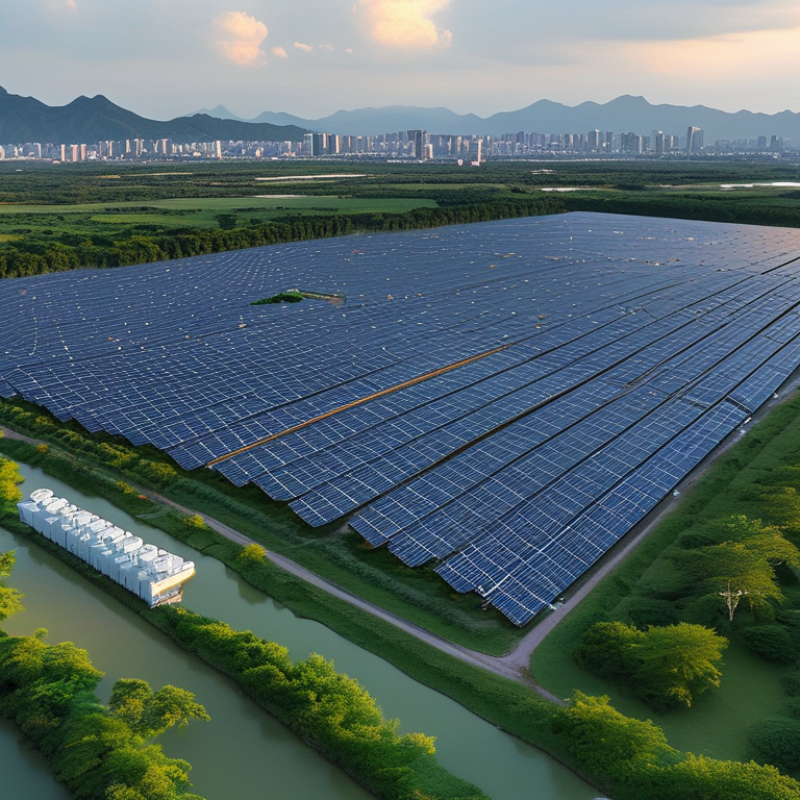
The BESS (Battery Energy Storage System) market in China has seen significant growth in recent years. This surge is fueled by increasing demand for renewable energy and enhanced efficiency in energy storage solutions. The country's unique blend of policies and investments has positioned it as a global leader in this sector. Several local suppliers have emerged, creating competitive dynamics that influence pricing and technology advancements.
Chinese manufacturers are focusing on innovation to enhance battery performance. Advances in lithium-ion technology and solid-state batteries are particularly noteworthy. Many suppliers are also investing in recycling programs to address environmental concerns. The local market is vibrant, but it is not without challenges. Quality control and supply chain issues often arise, demanding careful consideration from global buyers.
Buyers need to conduct in-depth research before engaging with suppliers. Each manufacturer may offer varying levels of technology, reliability, and compliance with international standards. As the market grows, potential buyers might find it hard to assess which suppliers meet their needs. Understanding the specific features and limitations of each product is essential for making informed decisions.
When selecting top battery energy storage system (BESS) suppliers in China, several factors should be considered. Expertise is crucial. A supplier with a long history in energy storage technology often offers better products. Check their previous projects and partnerships. Reliable suppliers should have certifications that confirm their quality standards.
Additionally, customer support is essential. Suppliers should provide ongoing assistance after the sale. This includes installation, maintenance, and troubleshooting services. Good communication is key during the entire process.
Another important aspect is innovation. Suppliers should invest in research and development. The energy storage industry evolves rapidly. Assess their ability to adapt to new technologies and market demands. Look for suppliers willing to improve. Finally, consider their financial stability. Suppliers should have solid financial backing to ensure long-term reliability.
China is a hub for battery energy storage system (BESS) manufacturers. The rise in renewable energy demands has spurred growth in this sector. Recent reports indicate that the global BESS market is expected to reach $8 billion by 2026, with a significant portion attributed to Chinese suppliers. Their ability to provide cost-effective solutions is crucial for global buyers seeking to optimize energy storage.
When evaluating these manufacturers, factors such as technology, production capacity, and innovation are key. Many firms are investing heavily in research to enhance battery efficiency and lifespan. It's essential to consider companies with a strong track record of reliability and safety in their products. A study from the International Energy Agency highlights that battery performance directly impacts user satisfaction and system longevity.
Tips: Always ask for references from existing clients when choosing a supplier. Reliable manufacturers should be able to provide case studies that showcase their solutions in real-world applications. Look for firms that offer warranties and after-sales support to ensure peace of mind in your investment. The growing competition in this market means that consumers can demand more transparency regarding materials and environmental impact.
| Manufacturer | Annual Production Capacity (MWh) | Battery Type | Key Applications | Established Year | Global Reach |
|---|---|---|---|---|---|
| Manufacturer A | 5000 | Li-ion | Residential, Commercial | 2010 | Asia, Europe |
| Manufacturer B | 3000 | Li-ion | EV, Stationary Storage | 2005 | North America, Oceania |
| Manufacturer C | 7500 | LiFePO4 | Industrial, Renewable Energy | 2012 | Global |
| Manufacturer D | 4000 | NMC | Marine, Aerospace | 2008 | Europe, Asia |
| Manufacturer E | 6000 | Li-ion | Telecommunications, Grid Support | 2015 | Asia, Middle East |
| Manufacturer F | 2000 | Li-ion | Consumer Electronics | 2018 | Africa, Europe |
| Manufacturer G | 4500 | LiFePO4 | Commercial Vehicles, Bikes | 2011 | Asia, North America |
| Manufacturer H | 3500 | NCA | Renewable Energy Storage | 2010 | Global |
| Manufacturer I | 5000 | Li-ion | Electric Busses, Trains | 2017 | North America, Asia |
| Manufacturer J | 8000 | LiFePO4 | Utility Scale Storage | 2009 | Europe, Asia |
In an increasingly global market, buyers seek reliable battery suppliers in China. The demand for sustainable energy solutions is rising. Global buyers prioritize quality, consistency, and innovation in battery production. They look for manufacturers with advanced technology and stringent quality control processes. The expectation is clear: products must meet international standards while being cost-effective.
Buyers also value transparency in the supply chain. Knowing where materials come from is crucial. Trust in a supplier can be hard to establish. Many potential partners have inconsistent communication and delivery issues. This can lead to frustration. Suppliers who understand these concerns can build better relationships with buyers.
Some factors are often overlooked. For instance, after-sales support is key for many buyers. Without proper assistance, even the best products may lead to dissatisfaction. Responsiveness to concerns can set suppliers apart. As the competition heats up, those who adapt to buyer needs will thrive. Understanding the market's shifting preferences is not just beneficial; it is essential for success.
This chart represents the preferences of global buyers in terms of battery types supplied by leading manufacturers in China. The data highlights the market share of Lithium-ion, Lead Acid, and Nickel-Metal Hydride batteries among buyers.
The BESS (Battery Energy Storage System) battery industry in China is evolving rapidly. Recent reports indicate that the sector could grow at a compound annual growth rate (CAGR) of over 20% by 2030. Innovations drive this growth, particularly in battery chemistry and efficiency. For instance, lithium iron phosphate (LiFePO4) batteries are now favored for their safety and longevity.
Manufacturers are investing in advanced manufacturing technologies. Automated production lines are becoming commonplace. These innovations enhance consistency in battery quality. They also reduce production costs. However, challenges remain. Supply chain disruptions have caused fluctuations in raw material prices. Companies must navigate these complexities carefully.
Sustainability is another critical trend. Many suppliers are exploring recycling technologies to recover valuable metals from used batteries. Reports suggest that over 85% of battery components can be recycled. This focus aligns with global sustainability goals. Nevertheless, the sector must improve recycling rates to minimize environmental impact. The balance between innovation and sustainability is essential to the industry's future.
: Increasing demand for renewable energy and better energy storage efficiency.
Advances in lithium-ion technology and solid-state batteries are significant.
Buyers need to assess technology levels, reliability, and compliance with standards.
Ongoing support for installation and troubleshooting is crucial for buyer satisfaction.
Suppliers must invest in innovation and demonstrate adaptability to market demands.
Issues like inconsistent communication and delivery problems can frustrate buyers.
Knowing material sources builds trust and is essential for strong buyer relationships.
Lack of proper after-sales support can lead to issues even with quality products.
Financial stability ensures long-term reliability, which is important for business relationships.
Buyers increasingly prioritize quality, consistency, and innovation in battery production.
The Bess Battery market in China is rapidly expanding, driven by increasing global demand for energy storage solutions. This article outlines the critical criteria for selecting top Bess Battery suppliers, including quality, technology, and customer support. It evaluates leading manufacturers that have established themselves within the industry, while also highlighting the preferences and requirements of global buyers seeking reliable partnerships.
Moreover, the article discusses current trends and innovations in China's Bess Battery industry, showcasing advancements in technology and environmental sustainability that resonate with worldwide market needs. As the sector evolves, understanding these dynamics will help buyers make informed decisions when seeking the best Bess Battery solutions in China.

Elemro Energy