As global energy demands increase, sustainable power solutions become critical. Home Energy Storage (HES) systems are emerging as a key solution. According to a report by the International Energy Agency, the home energy storage market is expected to grow at a CAGR of 25% through 2027. This significant rise points to an increased interest in renewable energy integration and energy independence.
HES systems allow homeowners to store energy generated from solar panels or the grid. This stored energy can be used during peak demand times, reducing electricity costs and reliance on fossil fuels. However, challenges remain. The initial cost of HES systems can be high, and their effectiveness may vary based on location and technology. Industry experts highlight that more research is necessary to optimize these systems for different household needs.
The potential of Home Energy Storage is vast, but it is not without flaws. Many consumers still lack awareness about the benefits of HES systems. Moreover, technology advancements are needed to enhance battery life and efficiency. While the promise of HES is compelling, its success relies on further innovation and consumer education in the evolving energy landscape.
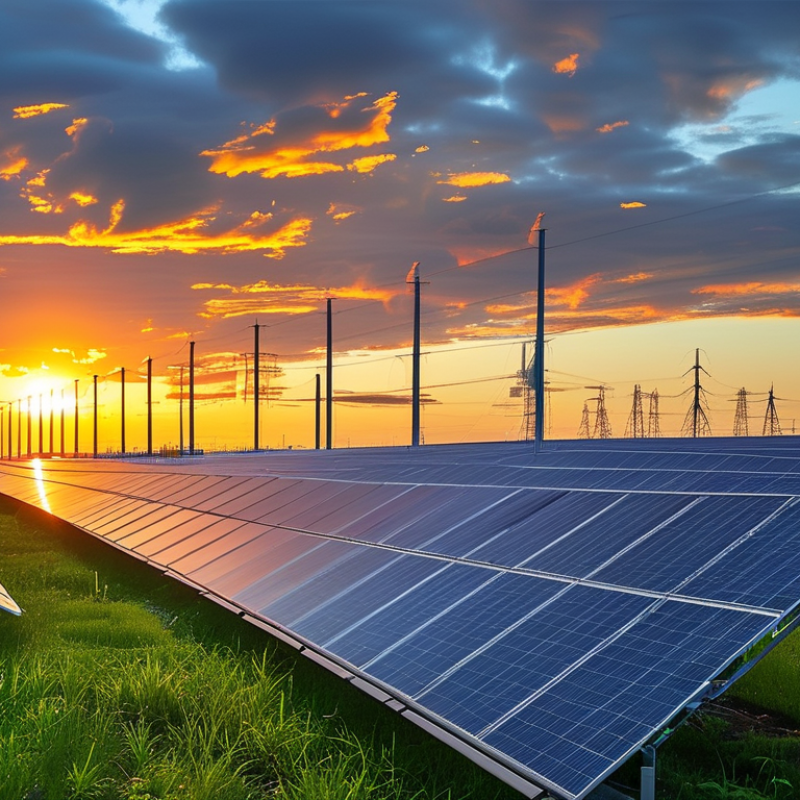
Home energy storage systems (HESS) are gaining traction as part of the sustainable power landscape. These systems allow homeowners to store electricity generated from renewable sources, primarily solar power. According to the International Energy Agency, the global market for home energy storage is projected to grow to over 10 gigawatts by 2025. This shift highlights the increasing demand for energy independence and resilience against power outages.
Home energy storage works by capturing excess energy during peak generation times. This stored energy can be used later when demand is higher or during power outages. Data shows that households using energy storage can achieve up to a 30% reduction in energy costs. However, discussions around the life cycle and disposal of batteries raise important questions. How sustainable are these energy storage systems in the long run?
Consider these insights: Monitor your energy use closely. Understand when your peak usage times are. Optimize your storage system to match those times. Regular maintenance of batteries is essential for long-term performance. Research shows that poorly maintained systems may underperform by up to 20%. Embracing home energy storage is promising, yet it demands careful consideration in sustainable practices.
Home energy storage is becoming a vital part of sustainable power solutions. More homeowners are investing in battery systems to store energy for later use. According to a report by the International Energy Agency, the global home battery storage market is projected to grow at an annual rate of over 25% through 2025. This growth highlights the increasing demand for energy independence and sustainability.
The benefits of home energy storage extend beyond saving on monthly utility bills. Homeowners can utilize stored energy during peak demand hours when electricity rates are high. A study by U.S. Department of Energy states that residential customers could save up to 30% on their energy costs with effective home storage. Additionally, these systems enhance resilience against power outages, making homes more self-sufficient.
Tips for homeowners:
Consider your energy consumption patterns. Analyze when you use the most electricity. Choose a storage system that aligns with these patterns for optimal savings. Also, local incentives may be available for energy storage installations, so explore available programs for financial assistance. Engaging with local experts can provide additional insights into the best solutions tailored to your specific needs.
This chart illustrates the benefits of home energy storage systems across different parameters such as Cost Savings, Increased Grid Independence, Environmental Impact, and Energy Efficiency.
Home energy storage solutions are gaining attention as the demand for sustainable power increases. However, significant challenges remain. High initial costs can deter many homeowners. According to a report from the International Energy Agency, the average cost of a residential battery system can exceed $7,000. This price point makes energy storage unaffordable for many families, limiting widespread adoption.
Additionally, the technology itself is not without limitations. Current battery lifespan ranges from 5 to 15 years, which raises concerns about longevity and efficiency. As stated by the U.S. Department of Energy, batteries can degrade over time, reducing their ability to store energy effectively. This degradation may lead to increased replacement costs, further complicating the financial appeal of home storage solutions.
It’s essential to consider home energy storage as an evolving technology. Homeowners should research local incentives and consider potential savings on their utility bills. Evaluating energy consumption patterns can also optimize storage use. While substantial challenges exist, ongoing improvements in energy technology may pave the way for more accessible and efficient solutions in the future.
| Dimension | Data |
|---|---|
| Average Cost of Installation | $8,000 - $15,000 |
| System Lifespan | 10 - 15 years |
| Average Capacity | 5 - 15 kWh |
| Return on Investment (ROI) | 5 - 10 years |
| CO2 Emissions Reduction | Up to 80% reduction |
| Grid Independence Percentage | 30% - 70% |
| Government Incentives Available | Yes, depending on location |
| Major Challenge | High initial costs |
| Storage Efficiency | 80% - 90% |
| Market Growth Rate | 20% annually |
The rise of technological innovations in home energy storage is transforming the landscape of sustainable power solutions. According to a report by Wood Mackenzie, the global residential energy storage market is expected to exceed 20 GWh by 2025, driven by advances in battery technology and cost reductions. Lithium-ion batteries, commonly used in household storage systems, have seen a price decrease of over 80% since 2010. This significant drop has allowed more households to adopt solar energy and store excess power for later use.
Energy storage systems not only provide backup power but also enhance grid reliability. They can smooth out energy demand peaks and help integrate renewable sources. However, it's essential to recognize the environmental impact of battery production. Recycling and responsible disposal should be priorities, given the rising concerns over battery waste.
For homeowners considering energy storage solutions, evaluating energy needs is crucial. Assess daily usage patterns and potential savings. Explore options for rebates or incentives to offset initial costs. Research technology compatibility with existing home systems. Each step involves careful planning and assessment of both benefits and limitations.
Home energy storage is gaining attention. Many homes are exploring options like batteries and solar energy systems. These innovations can reduce reliance on the grid. Residents may store energy from the sun. This stored energy is useful during peak hours. It helps in creating a more sustainable lifestyle.
However, challenges remain. Installation costs can be high. Not everyone can afford the latest technology. Maintenance can also be a concern. Homeowners might struggle to find reliable service. It’s essential to weigh the benefits against these drawbacks. A careful approach can lead to better decisions.
As households embrace energy independence, trends are evolving. Smart technology integration enhances energy management. Real-time data helps users track consumption. People demand transparency in energy usage. The future looks promising yet requires cautious planning.
: HESS allow homeowners to store renewable energy, primarily from solar power.
They capture excess energy during peak generation and reduce energy costs by up to 30%.
Regular battery maintenance is essential for optimal performance and longevity.
Yes, battery production impacts the environment, highlighting the need for responsible recycling and disposal.
Advances in battery technology and significant cost reductions have made storage systems more accessible.
Evaluating daily usage patterns helps in identifying potential savings and storage requirements.
High installation costs and maintenance concerns can hinder adoption for some households.
Smart technology provides real-time data, enabling better tracking of energy consumption and efficiency.
Trends include increased focus on sustainability and the desire for greater transparency in energy usage.
Yes, they offer backup power during outages, enhancing home resilience.
Home Energy Storage systems are emerging as a pivotal solution for sustainable power in modern households. These systems offer numerous benefits, including the ability to store excess energy generated from renewable sources, thereby enhancing energy independence and reducing reliance on the grid. They contribute to lower electricity costs and play a crucial role in stabilizing energy demand during peak times. However, challenges remain, such as high initial costs, limited energy capacity, and the need for efficient integration with existing home systems.
Technological innovations are addressing these challenges, with advancements leading to improved battery efficiency, affordability, and longevity. As the focus on sustainability grows, future trends indicate that Home Energy Storage will become increasingly integrated with smart home technologies and renewable energy systems, paving the way for a more resilient and eco-friendly energy landscape. Embracing these trends could significantly enhance the role of Home Energy Storage in driving sustainable power solutions for the future.

Elemro Energy