Energy storage systems are key in today's renewable energy landscape. Ess Batteries, or Energy Storage System batteries, offer a viable solution to manage energy supply and demand effectively. By 2025, the global ESS market is projected to reach $19.5 billion, reflecting the growing significance of these technologies.
Ess Batteries operate by storing energy for later use, balancing intermittent renewable energy sources like solar and wind. According to the International Energy Agency, battery storage capacity must triple by 2030 to achieve global climate goals. These batteries can provide solutions for grid stability, peak shaving, and backup power, improving the efficiency of energy systems.
Despite their benefits, challenges exist. High initial costs and limited lifespan remain significant hurdles to widespread adoption. Continuous innovation is essential to enhance the performance and affordability of Ess Batteries. Thus, explorations into their capabilities and future developments are crucial for sustainable energy solutions.
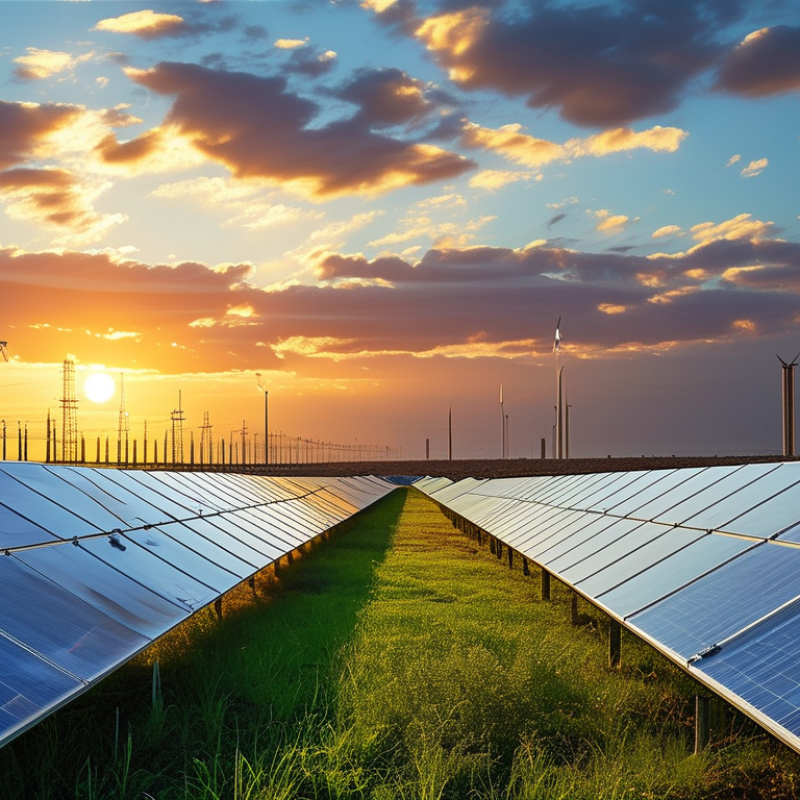
Energy Storage Systems (ESS) play a crucial role in modern energy management. They mitigate the intermittency of renewable energy sources like solar and wind. According to a report by the International Energy Agency, energy storage capacity is expected to exceed 1,000 GW globally by 2040. This reflects a growing recognition of the need for reliable energy storage solutions.
ESS batteries typically consist of various technologies, including lithium-ion and flow batteries. Each type has unique characteristics and advantages. For instance, lithium-ion batteries offer high energy density, while flow batteries can provide longer discharge times. However, challenges remain. The efficiency of current battery technologies often falls short, with cycle life and temperature sensitivity posing significant issues.
Investment in ESS technology is increasing. The market for energy storage is projected to grow by 25% annually through 2026, driven by the demand for grid stability and energy access. While this growth is promising, it underscores the need for ongoing research. Improved recycling processes and cost reduction strategies also require attention. The sustainability of ESS technologies hinges on these advancements for a cleaner energy future.
Energy Storage Systems (ESS) increasingly rely on several core components that enhance their effectiveness. The main elements include batteries, power conversion systems, and energy management systems. Each plays a vital role. Batteries store energy but must be chosen based on specific use cases. For example, lithium-ion batteries are popular due to their efficiency and energy density. Reports show that they can reach up to 90% round-trip efficiency, making them suitable for various applications.
Power conversion systems manage the flow of electricity. They convert stored energy from direct current to alternating current. This step is critical for integrating with the grid. A well-designed power conversion unit can reduce energy losses significantly. Some studies indicate that optimizing these systems can lead to a 5-10% increase in overall efficiency. This improvement directly impacts the economics of energy storage.
Energy management systems ensure that all components work together smoothly. They monitor energy flows and optimize usage in real-time. Effective management can prevent system overloads, which reduces wear and extends battery life. However, there are challenges. Poorly designed management systems may lead to inefficiencies. Data indicates that up to 40% of energy can be wasted if systems are not properly integrated. This highlights the need for continuous improvement within the energy storage sector.
| Component | Function | Material Used | Efficiency (%) |
|---|---|---|---|
| Electrolyte | Conducts ions between the electrodes | Liquid or polymer solution | 85-95 |
| Anode | Stores and releases energy | Graphite or other conductive materials | 90-95 |
| Cathode | Interacts with the electrolyte to generate electricity | Metal oxides or other compounds | 85-90 |
| Separator | Prevents short-circuits between anode and cathode | Polymeric material | N/A |
| Battery Management System (BMS) | Monitors and manages charging and discharging | Electronic components | N/A |
ESS batteries, or energy storage systems, play a crucial role in modern energy management. These systems operate by converting electricity into a storable form. This process typically involves storing energy as chemical potential, which can be accessed when needed. A report by the U.S. Department of Energy highlights that energy storage capacity is expected to reach 260 gigawatts by 2030. This represents significant growth, showcasing the increasing reliance on renewable energy sources.
The operational mechanism of ESS batteries relies on various technologies, including flow batteries and lithium-ion systems. These batteries can charge and discharge based on demand. For instance, during peak energy times, they release stored energy back into the grid. However, it's important to recognize that certain battery technologies present environmental concerns. Issues such as sourcing materials and recycling processes need further attention. With ongoing advancements, the efficiency and environmental footprint of these systems are expected to improve dramatically.
The bar chart above illustrates the growth of ESS battery storage capacity from the year 2020 to 2023, showing a significant increase in energy storage capabilities over the years, reflecting the advancements in technology and increasing demand for energy storage solutions.
Energy Storage Systems (ESS) batteries are transforming the way we manage energy. Their versatility allows for efficient energy use and enhanced grid stability. One significant advantage of ESS batteries is load shifting. They store energy during low-demand periods and release it when demand peaks. This process can lead to substantial savings on energy bills.
Another benefit is peak shaving. By discharging stored energy during high-demand periods, ESS batteries help reduce the load on utility systems. This not only lowers costs but also minimizes strain on the grid. Additionally, ESS systems support renewable energy integration. They capture excess solar or wind energy, ensuring a steady supply even during calm or cloudy days.
Tips: Consider the capacity you need before investing. Evaluate your energy usage patterns for optimal performance. Regular maintenance can enhance battery lifespan and efficiency. Monitoring systems can help track energy consumption and savings. Investing in ESS technology can significantly boost energy management efforts.
Energy storage systems (ESS) are rapidly becoming essential in renewable energy markets. These batteries play a pivotal role in managing energy supply and demand. According to a 2022 report from Wood Mackenzie, global energy storage installations are projected to surpass 300 gigawatt-hours (GWh) by 2026. This shift is critical for integrating renewable sources like solar and wind, which can be intermittent.
The ability of ESS batteries to store excess energy for later use helps stabilize the grid. For example, during peak solar production, surplus energy can be stored rather than wasted. A study by the International Renewable Energy Agency (IRENA) indicated that effective energy storage could reduce reliance on fossil fuels by up to 30% in some regions. This data underscores the importance of developing efficient and reliable battery technologies.
However, challenges remain in the ESS landscape. Current battery technologies face issues like cost and cycle life. Many systems require significant investment, which can deter adoption. Furthermore, recycling and sustainability of battery materials are major concerns that need further research. Addressing these gaps is critical for the future of renewable energy integration. Balancing costs, efficiency, and environmental impact will be key to maximizing the potential of ESS batteries in the energy transition.
: ESS batteries are systems that store energy for later use. They help manage energy from renewable sources.
They convert electricity into chemical potential energy. This energy is released when demand increases.
Common technologies include lithium-ion and flow batteries. Each type has specific advantages and limitations.
Load shifting allows batteries to store energy when demand is low and release it during high demand.
Peak shaving occurs when stored energy is discharged to reduce high-demand pressure on the grid.
Increasing demand for energy access and grid stability drives the market's growth. It's projected to expand significantly by 2026.
Efficiency issues and environmental concerns are significant challenges. Lifecycle and recycling processes need improvement.
Assess your energy usage patterns. Regular maintenance and tracking systems can improve efficiency.
Advancements in recycling processes and cost reduction strategies are vital for sustainability and better performance.
Yes, sourcing materials and recycling processes can pose environmental challenges. These issues require ongoing focus and solutions.
ESS batteries, or Energy Storage Systems batteries, are advanced technologies designed to store and manage energy efficiently. These batteries comprise various components, each serving a specific function, such as energy input and output regulation, charge retention, and safety mechanisms. By operating through electrochemical processes, ESS batteries can store energy generated from renewable sources and release it when needed, making them essential in modern energy management.
The advantages of using ESS batteries are manifold, including improved energy efficiency, reduced reliance on fossil fuels, and enhanced grid stability. Their applications are particularly valuable in integrating renewable energy sources like solar and wind, providing a reliable method to store surplus energy and supply it during peak demand periods. Overall, ESS batteries are pivotal in facilitating the transition towards a more sustainable energy landscape.

Elemro Energy